
How travel changes you: life transitions and your self-identity
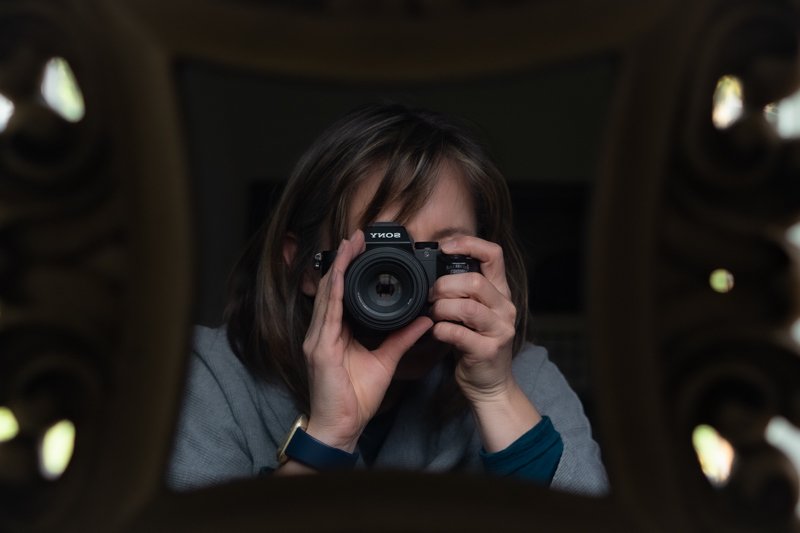
Almost everyone has done some sort of travelling, but not every trip changes your life or impacts you deeply. Sometimes a vacation is just a vacation. But there are moments when travel can become a tool for so much more. It can become a way of understanding yourself as well as the world.
Self-identity is how we define ourselves as individuals: a combination of our values, beliefs, preferences, and experiences. Our sense of self-identity is influenced by society, family, culture, and life experiences. Travel, as one of those life experiences, has a significant impact on how our identity forms over time and how we perceive ourselves.
I am convinced that travel has shaped and continues to shape my self-identity. It’s this belief that eventually led me to become a Certified Travel Coach, helping others use travel with the same intention that has shaped me through every transition in my own life.

“Self-identity is not simply sought out; it is produced through moments of challenge, serendipity, and triumph. One does not acquire self-identity in an instant.”
How travel changes you …in childhood
Brain science tells us that travel experiences literally change the neural pathways in the brain. The brain undergoes tremendous growth throughout childhood. New experiences create new brain connections. Social psychologist Adam Galinsky writes that travel has a positive impact on the brain. He says that it can change the way we approach the world, leaving us more flexible, open, and tolerant.
As I child, my family took a few vacations but most of my ‘travel’ was moving to a new city or new country every other year. This regular travel meant a consistent series of transitions: new bedrooms, new schools, new friends, new neighbourhoods, and new cultures. My brain probably got a bit chaotic with all that synaptic activity - maybe not always in a good way.
As a kid, my self-identity was often wrapped around the fact that I knew I would be moving away again. This is something that continues to affect how I am as a friend to others. While I always felt on the outside or “other,” I remember being able to think ahead about WHO I wanted to be in the next new place. Not that I was fake or inauthentic, but I chose to pay attention to my past experiences and apply what I learned to fit in better, make friends easier, or be okay with being alone. Those behaviour choices sculpted who I am today!
How travel changes you… leaving adolescence
The same can be said about the backpacking journey I took fresh out of high school. I had no clue what I “wanted to be when I grew up!” The 3 month journey gave me space to think about who I was outside the realm of my family and who I wanted to become. The time away from regular routines and familiar influences helped me decide what career I would pursue (the first one anyway). I came home with clarity and confidence. I had made a decision about my next steps and I realized that if I could take care of myself in a foreign country, I could undoubtedly tackle this uncertain next stage in life.

Paris, France

Santorini, Greece
How travel changes you… becoming an empty nester
Fast forward to the transition to becoming an empty nester. This was a transition that hit me at different times in different ways. Sometimes I felt a thrill, sometimes I felt empty and sad. I completely agree with what Hilary Straw shared in an interview, “The time away allowed me to process my feelings about my sons leaving home. I started to accept the end of my hands-on contribution as a mother. I began to let go of the desire to control them or even be in regular contact with them. I realized the necessity of allowing them to get on with their own lives in their own way. I will of course always be there for them if they need me.”

Of course we took 18 year old boys to the Heineken Experience!
The summer that my youngest son was leaving town for university both he and his friends, and my husband and I, took off on a month-long backpacking trip - separately. I remember and will treasure my pivotal moment of acceptance to this next stage. It was a sunny summer afternoon and we met our youngest son and his friends as we all passed through Amsterdam. We spent one day together and then headed off again in different directions. It was a brilliant feeling to meet up in a foreign country, with our own stories to tell, without needing each other…and still happy to connect.
How travel changes you…into retirement
Now I face a new life chapter that has the freedom from any previous roles defined by my career. There are still some big questions that linger about what that means, who I am now, and who I want to be going forward. I figure that if travel as a young girl and then a young woman influenced who I am, might not travel be the answer again to help shape who I will become in the next stage of my life? I’m sure the answer is yes for me.
One way I’ve already tested that answer was close to home. I laced up my hiking boots for a solo walk on the Vancouver Island Trail, my own DIY version of an inn-to-inn journey. Walking those days alone gave me exactly the kind of space I needed to sit with these questions.
Here are a few of the ways in which travels can shape both our self-identity and help us transition from one life chapter to the next.
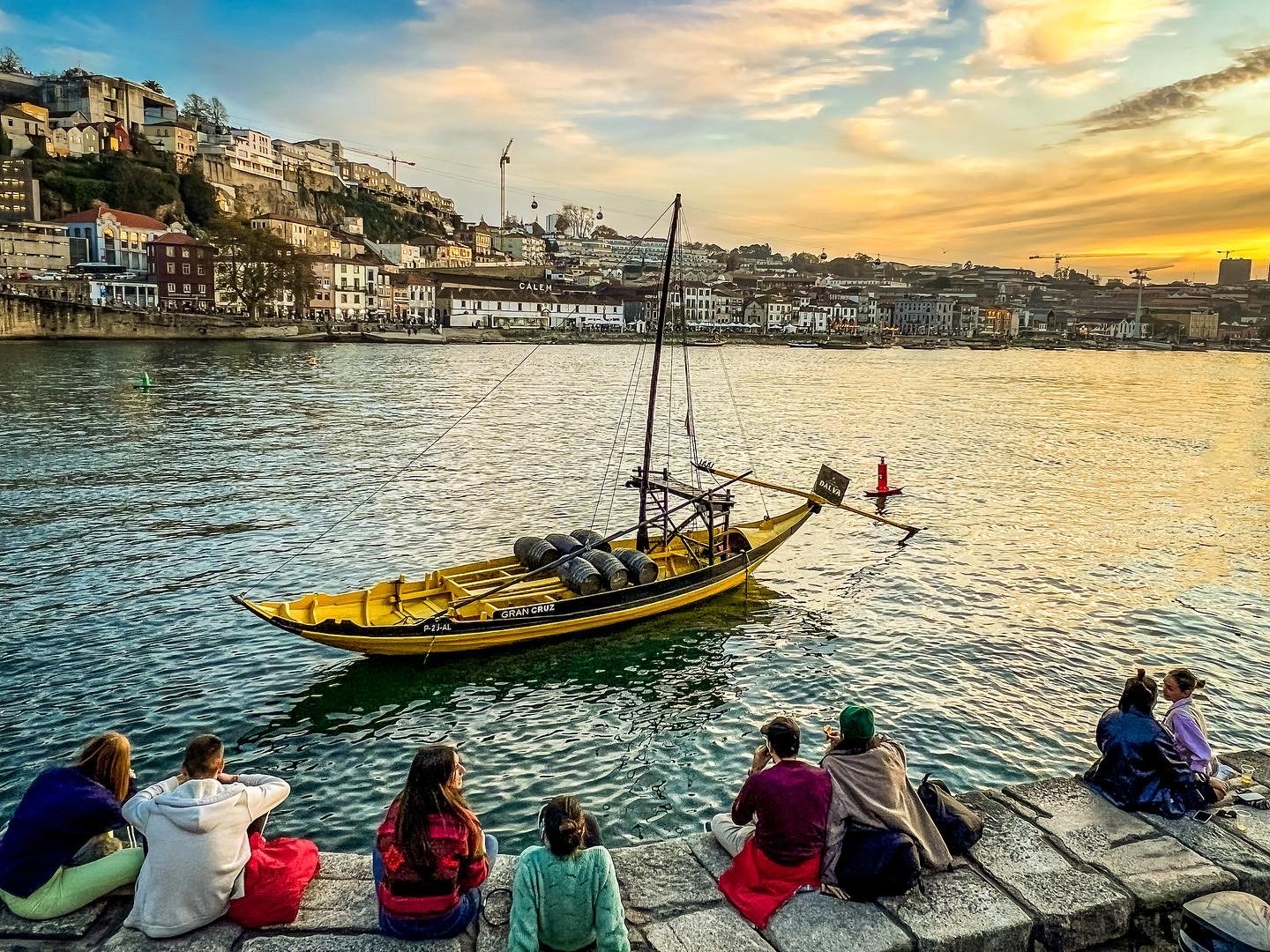
Porto, Portugal on our first trip as “retirees”
Exposure to new cultures
When we travel, we are exposed to new cultures, customs, and traditions. This exposure can help us broaden our perspectives and expand our understanding of the world around us. It can also lead us to question our own beliefs and values, and challenge us to be more open-minded.
Time for self-reflection
Travelling provides us with the time and space to reflect on our own thoughts and emotions. It provides the opportunity to take a step back from our daily lives and really think about what we want out of life. If you're feeling lost or unsure about your path in life, traveling can help you gain clarity and perspective.
Building resilience
Travelling can challenge us physically and emotionally. We may be faced with language barriers, unfamiliar foods, and unexpected circumstances that push us outside of our comfort zones. These challenges can help us build resilience, inner strength and confidence.
Creating lasting memories
The memories we create while travelling become a part of our own personal story or narrative. The sights we see, the people we meet, and the experiences we have – all add to the rich tapestry of our lives.
Travel (far from home as well as close to home) helps me engage with the world around me; it boosts my energy, motivation, and enthusiasm. It also challenges me and makes me feel like I’m constantly growing and learning. And, quite honestly, as I look ahead into my 50’s, 60’s, 70’s … I want to feel engaged, enthusiastic, competent, and capable. By identifying what emotions are important to me, I can craft my life, at home or away, toward those feelings.
Alive
At peace
Capable
Connected
Authentic
Compassionate
Adventurous
Useful
Purposeful
Confident
Joyful
What feelings are you moving toward right now?
Are you curious what kind of travel you need to get there? Take the Travel Needs Quiz and find out whether you're craving Grounded, Expansive, Transitional, Restorative, or Integrative Travel, then get travel ideas built around exactly where you are.
Already know travel is calling you toward something bigger? Travel Coaching might help. I’d love to work with you to shape your travel whims into an intentional journey.


What is travel coaching?
Great question.
It’s not a life coach, and it’s not a travel agent. It’s not a counsellor, and it’s not a tour guide.
A Travel Coach helps people set intentions for a trip and offers support to help make it happen. A coaching experience may include itinerary design, travel skill building, or mindset shifts. It might offer encouragement and gentle accountability to do something outside comfort zones or might simply help people navigate through overwhelming information to decisions and travel action.
Learn more about travel coaching.