
Can Tourism Help Local Communities? A Kitchen Sink and Me (Still Figuring It Out)
It was the kitchen sink that caught my attention.
Not because it was new, but because it was there at all.
The last time our local Moroccan guide had brought travellers to this small village in the Atlas Mountains, there hadn't been a sink in the kitchen. Everything was done by hand. The kind of daily effort most of us don’t realize that we've been spared from.
Eighteen months later, there it was. Simple. Functional. Nothing polished or modern by most standards. But a clear shift in daily life.
She pointed it out almost quietly, but with unmistakable pride. She had been intentionally bringing travellers into these villages for several years, creating opportunities for families to host, to cook, to share their lives in small ways. This, she explained, was one of the results. It would have been easy to miss. But once I saw it, I saw everything differently.

Not just a sink, but time saved. Effort eased.
A small change that made everyday life a little more manageable. And in some small way, travellers like us had been part of that.
When “doing the right thing” isn’t clear
A few days earlier, we had been hiking along a rough path into a narrow valley when three small kids appeared high on a loose rocky hillside. Maybe six, eight, ten years old, scrambling down at a speed that made my stomach drop. They landed on the valley floor, shook out two little mats, and arranged a tidy display of handmade bracelets and keychains ready for sale.
Our guide's reaction told me something was complicated here.
She had already walked us through the difficult equation of children and tourism. Giving money to kids begging along the path, no matter how kind it feels in the moment, can make skipping school more financially attractive than attending school. Families living in poverty sometimes find it hard to resist a child who is successfully earning precious income. Plus, in the past month, several children had gone missing in Morocco, and our guide carried real fear about young kids running from home to meet strangers on remote roads.
But these kids weren't begging. They were selling. Tiny entrepreneurs with a business plan and a mat.
She asked them why they weren't in school. Holy day. Fair enough.
We bought keychains and jewellery, and our guide sent them home with a warm but firm word about safety and strangers. We watched them go, and I felt about four things at once: charmed, a little worried, glad we'd bought something, unsure if we'd done it right.
That feeling became familiar.
I thought about the other children we'd passed on the path, who had gently asked for un dirham, un stylo or un bonbon as we walked by. We'd said no, following our guide's advice. You can see how easily things shift when a child can earn more on the roadside than a classroom offers. I didn't have a tidy answer. But it clarified something about where I wanted our contribution to go.
Head, Shoulders, Knees and Toes
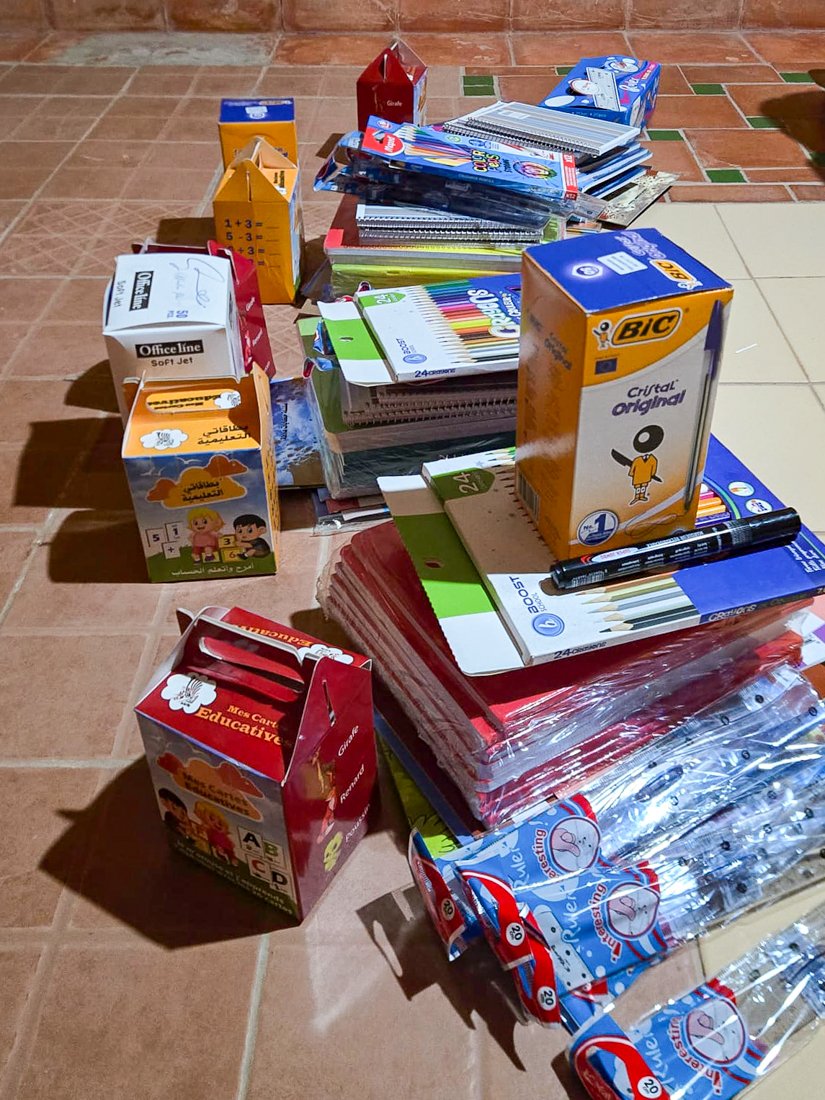
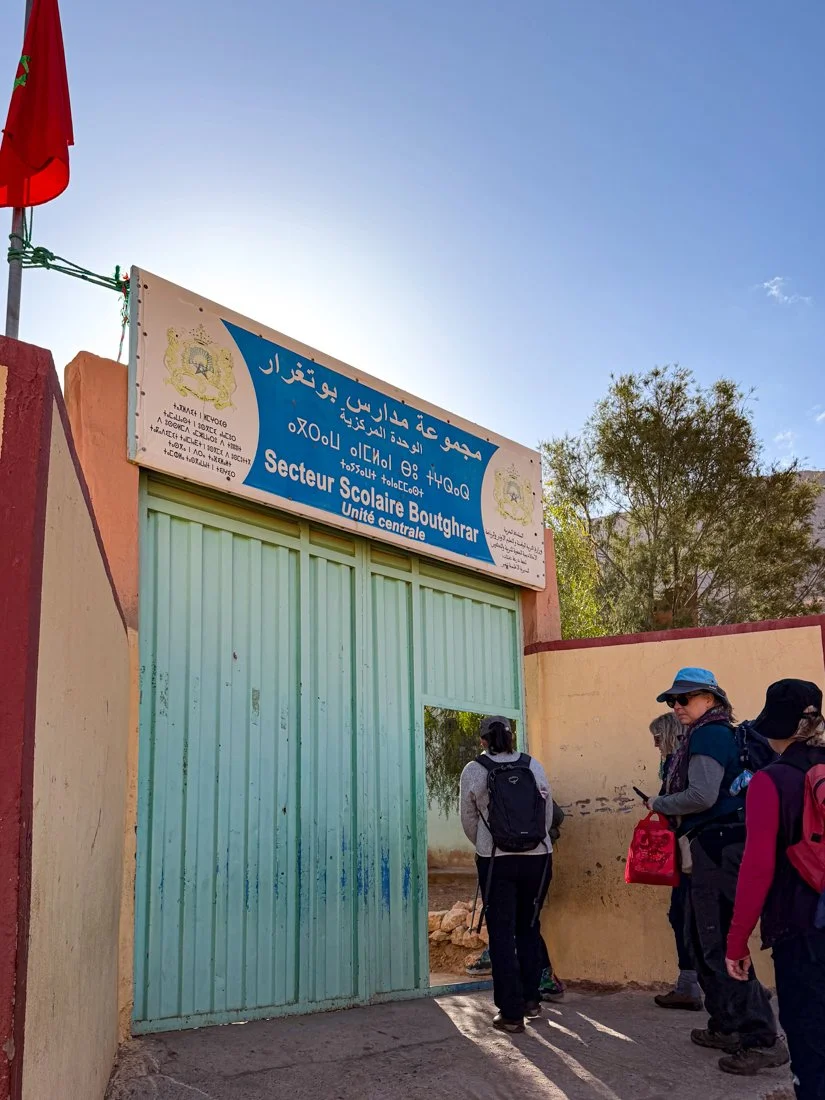
Before leaving the region, we made a run to what I can only describe as the Moroccan version of Staples. We loaded up bags with pens, notebooks, and readers, and then visited two village schools. On the first visit, we were a little nervous. Someone suggested we sing a song. We did "Wheels on the Bus," complete with the hand motions. The children were extremely polite about watching a group of adults enthusiastically mime a bus for reasons that were, from their never-seen-a-school-bus perspective, entirely unclear.
By the second school, we had learned. We switched to "Head, Shoulders, Knees and Toes." The children came outside, and we stood in a big circle, and it turns out that the song needs exactly zero shared language to work completely. They nailed it. We all nailed it. It was joyful in that uncomplicated way that doesn't happen very often, and I carried that feeling for the rest of the trip.
Other moments of giving and receiving came with that kind of clarity, too.
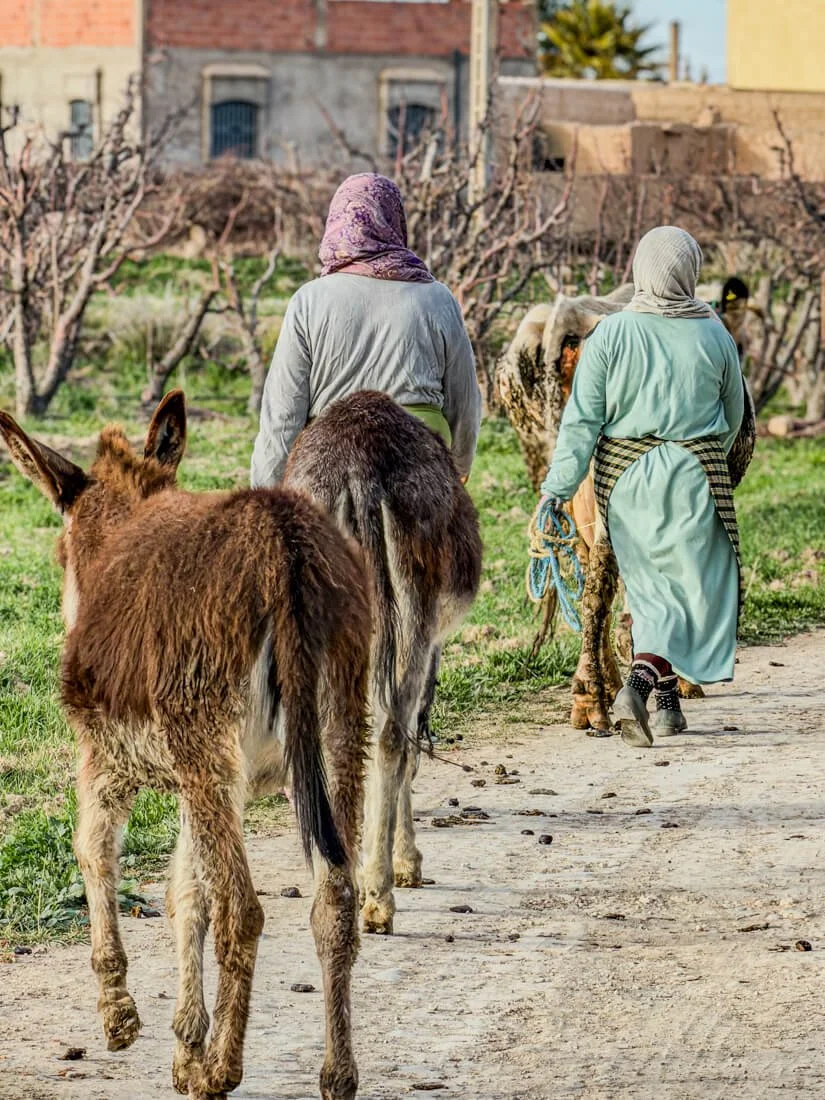
We spent an afternoon with an apple farmer, walking through his land while he talked about his work, his harvest, and the rhythm of his days. His young son hovered nearby, completely fascinated with our bus and especially our driver. He darted back and forth with that unself-conscious curiosity you can't manufacture. Afterwards, the farmer invited us to sit with his family and drink tea. There was no performance to it, and no sense that we were being "shown" something. We had simply been welcomed in.
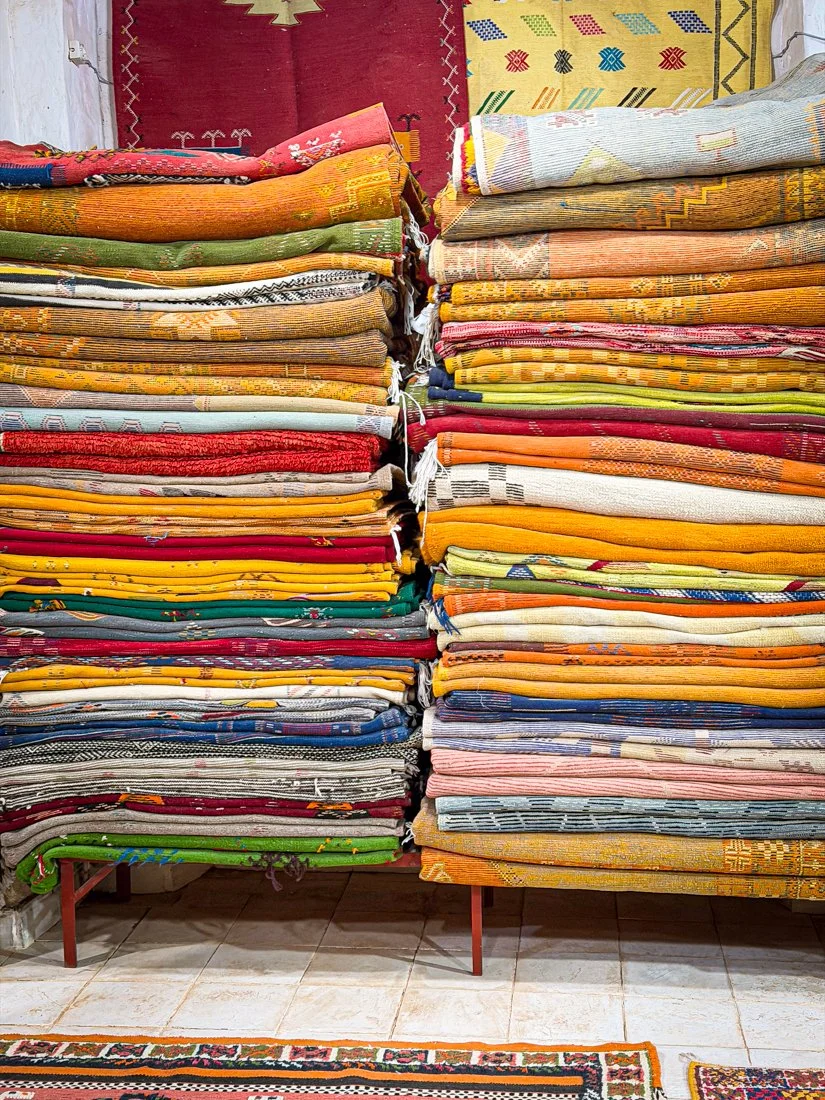
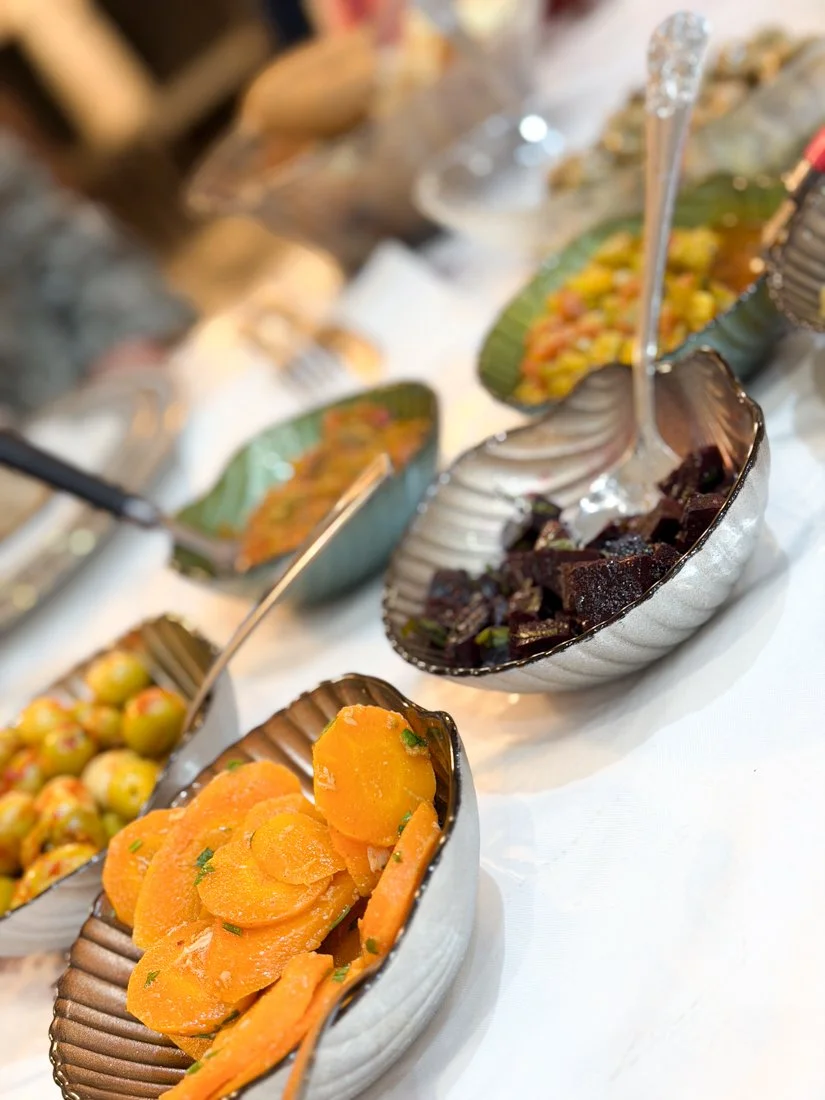
Later, we shared a meal in a local woman's home, bought food and handmade goods directly from the artist’s cooperatives that make them, and in those moments, it felt clear where our dollars (and our presence) were actually going.
Boots
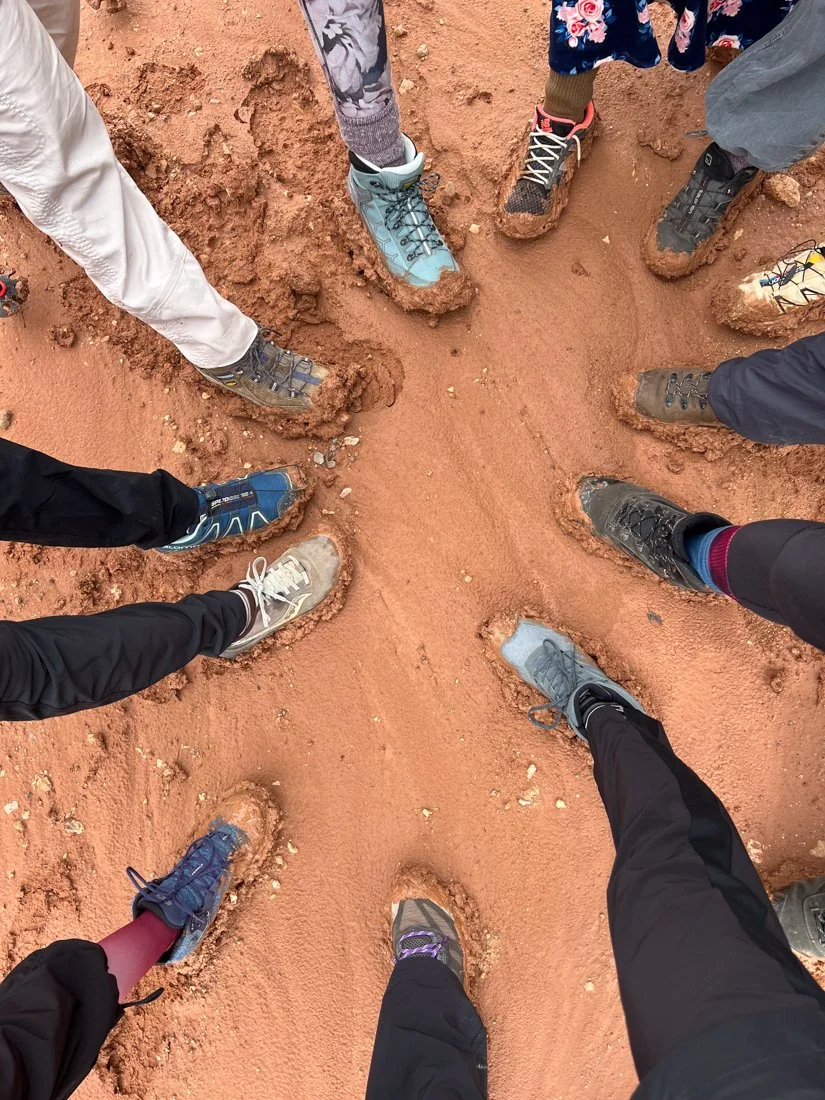
On our last hiking day, we reached Bou Tharar, a mountain village where we stayed at a gite run by local families. That final night was a celebration: food, music, dancing, the warm awe of a last evening somewhere that has gotten well and truly under your skin.
Someone floated the idea of leaving our hiking boots.
The impulse spread quickly. Not everyone could; some people had no other footwear for the journey home. But those of us with options dug through our bags. My boots were almost new. Good boots. And standing in that village, thinking about what "almost new boots" means when you live somewhere with limited access to shops and a life built largely on your feet, it wasn't a hard call.
I left them in the pile, hoping they'd find a good home, and made room in my bag. Which, as it turned out, was exactly the right size for a handmade bowl I bought from a local artisan. I liked that symmetry.
Where I’ve landed… for now
There's no version of travel where every choice is clean and every dollar lands exactly where you intend it to. Our travel budget flows in directions we don't always see. The experiences we value are made possible by real people with their own lives, pressures, and needs, and the places we visit are constantly adjusting, in ways large and small, good and bad, to the presence of travellers.
What I'm more interested in now is just paying attention to that. Asking the slightly inconvenient questions: Where is this money actually going? Who benefits from my being here? Am I engaging with this place, or just moving through it?
I don't always get it right. But I've noticed that travel feels different when I'm intentional about my impact. Which is, when I think about it, what that kitchen sink was trying to tell me all along.
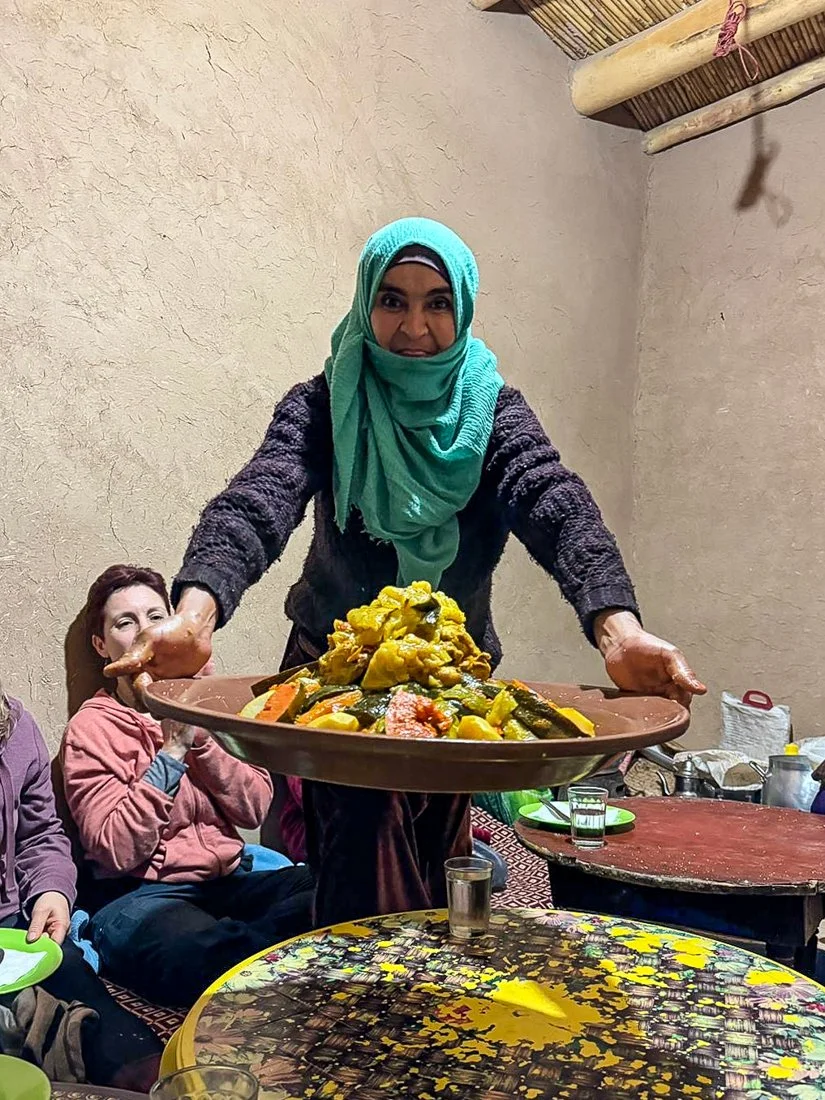
No sink!
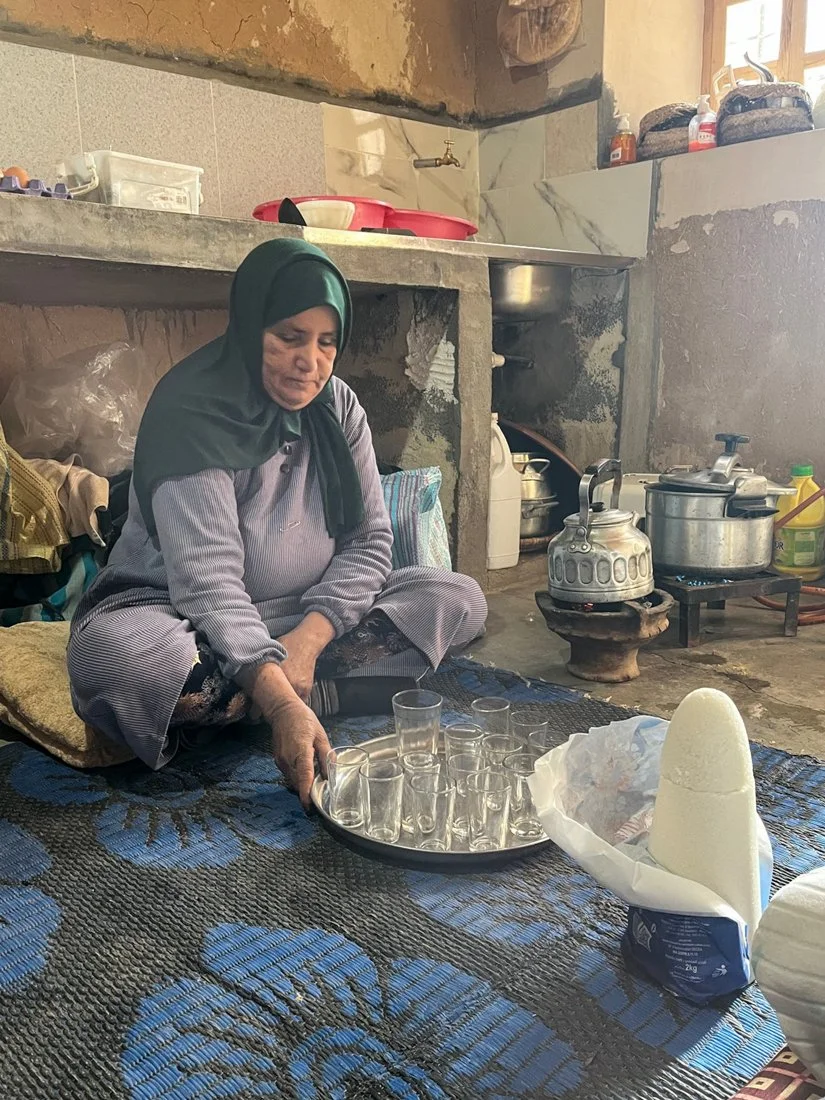
The sink! Same kitchen 18 months later.
If this kind of travel resonates with you, and you're curious what intentional travel might look like for where you are right now, the quiz is a gentle place to start.
I hope this article helps you to plan your next adventure! Looking for more guidance?
If you're feeling lost in the planning process, constantly disappointed by your trips, or curious about taking your travel experiences to the next level, connect with me! Sometimes, an outside perspective is exactly what you need to unlock the kind of travel that truly lights you up inside.