
My Travel Experiment: one month in one location
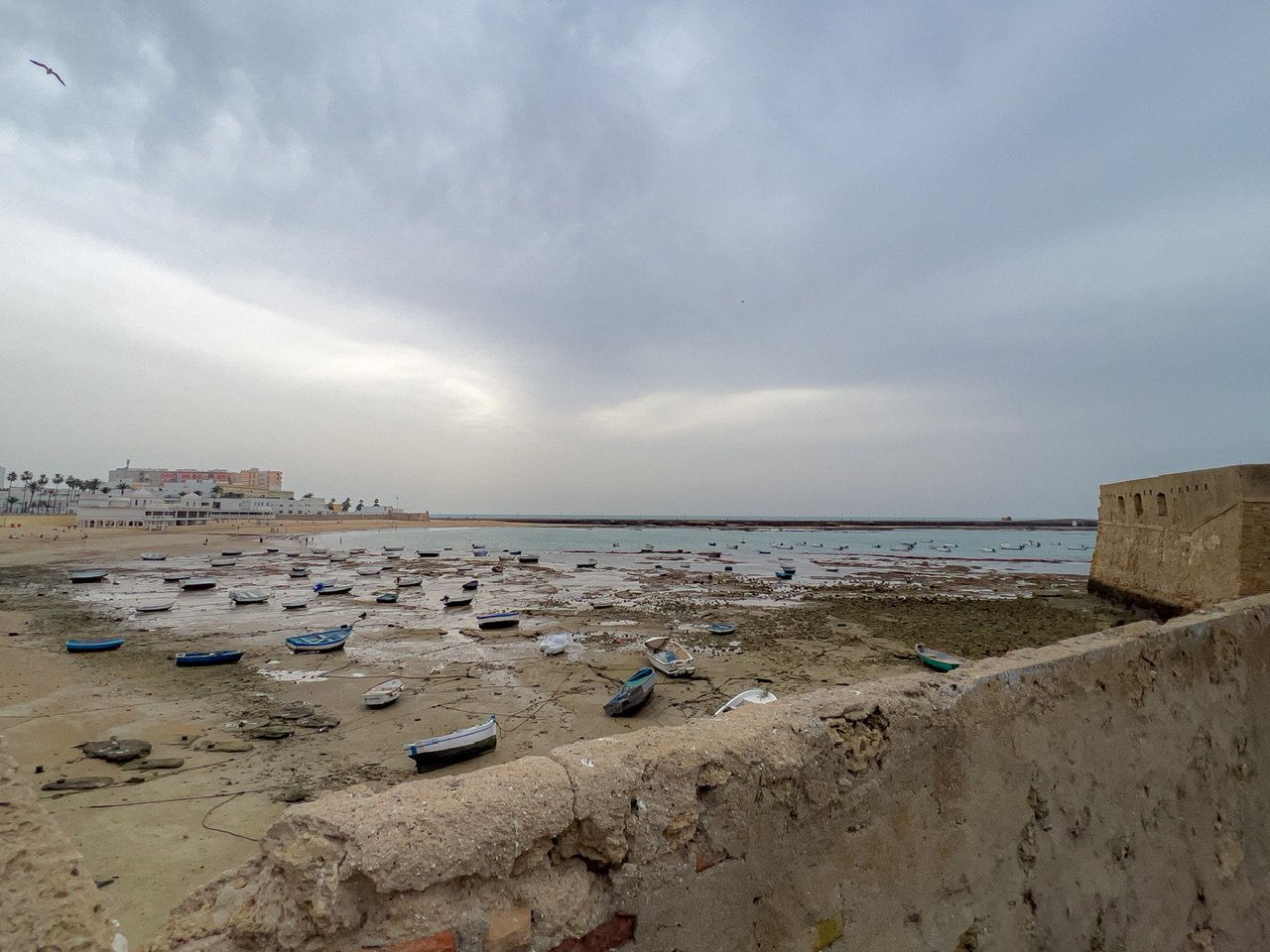
We spent one month in Sevilla, one month in Lisbon, and two weeks moving between. Ten weeks total, two countries, one long experiment in staying put.
Most of our previous trips had been three weeks of constant movement. This was something different entirely. We wanted to know what happens when you stop optimizing for coverage and start actually living somewhere for a while. What we discovered surprised us both, and changed how we travel. Here's what we learned about how long is long enough, what the sweet spot actually feels like, and what only becomes possible when you stay.
“A whole month!?!”
That is the response whenever I shared how long I would be staying in both Sevilla and Lisbon. I’m not 100% sure of the meaning behind this reaction, but I think I sensed all of the following:
What a dream to be somewhere for a whole month, that’s unimaginable!
OMG, why would you want to stay in one city for a whole month when there is a whole country to explore!
It must cost a fortune to go away for so long! (To clarify - we are frugal travellers.)
What will you possibly do as a couple for one month in one place (let alone 10 weeks on the road), won’t you get sick of being together 24-7 for so long?
I dream about doing this kind of thing!
It’s inspiring.
You’re nuts.
How long in one place is too long? How long is enough?
If you only have 2 weeks off work or away from responsibilities, I feel your fernweh - a German word for the ache to get away and travel to a distant place. I’ve been there too. Time and flexibility are things I appreciate and don’t take lightly!
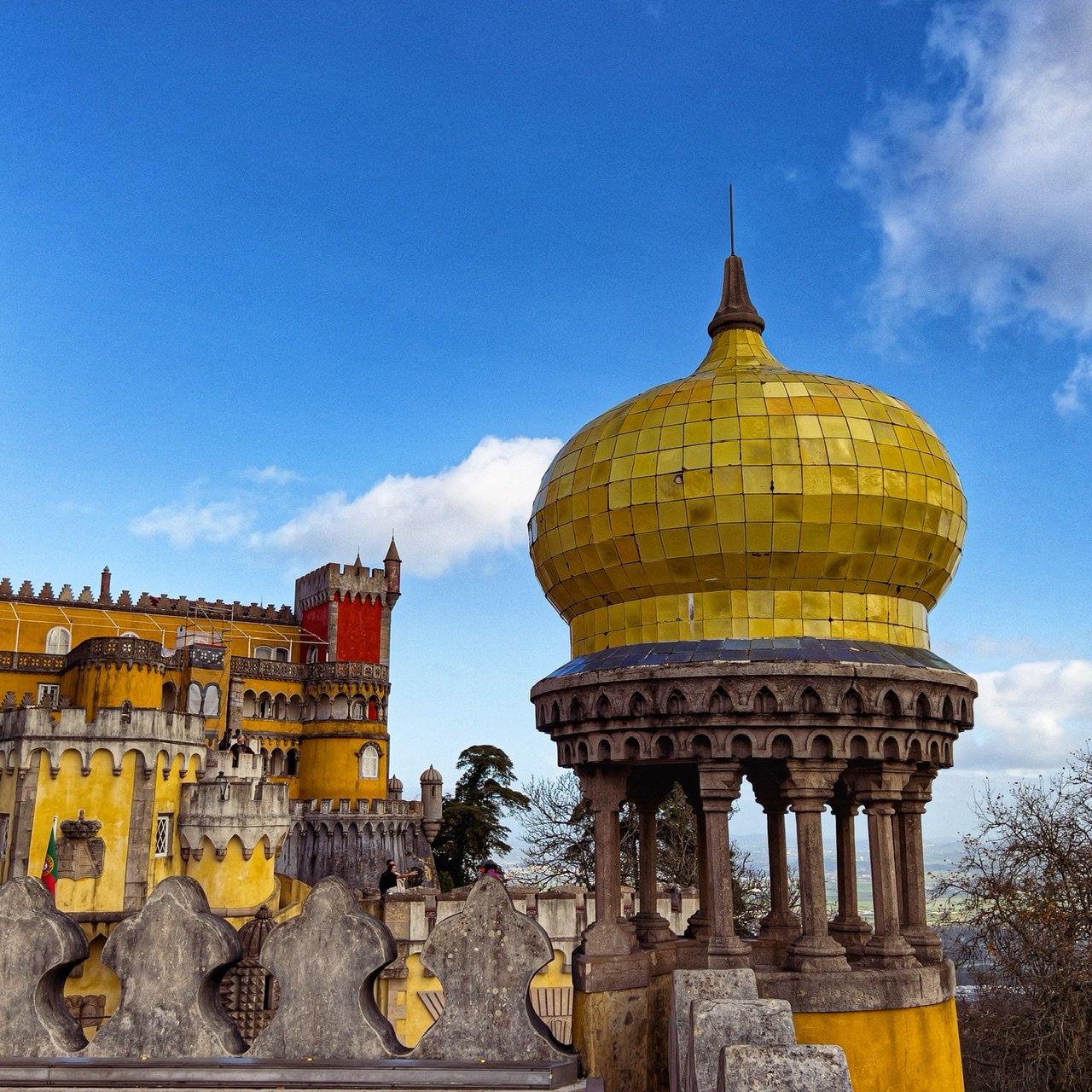
Peña Palace, Sintra, Portugal
For my husband Greg and I, our trip to Spain and Portugal was our longest since being in our 20’s. For most of our adult lives we squeezed in 2 or 3 weeks here and there, but Greg, being newly retired, and I, having full flexibility with my business, we wanted to take advantage of the opportunity to try a longer adventure. To be honest, 10 weeks just sort of happened. I knew that I wanted to be gone for 2 one-month stays. The added time worked out based on a fixed date to come home (after my December birthday, but home before Christmas) and flight deals.
We were open and curious about how the overall amount of time away suited us, but more specifically, the idea on trial was staying in ONE PLACE for 4 weeks as a home base. The four weeks capitalized on reduced accommodation costs, knowing we would go on day trips to neighbouring towns.
Now that we’ve done it twice, I offer up my reflections and conclusions. Warning: there are no hard and fast outcomes based on our experience. I’m not going to recommend that a specific length of time is perfect for everyone. We did, however, learn about what might be a sweet spot for us going forward.
Methodology for One Month in Spain

One month in Spain
Our first month was spent in Seville, Spain, from mid-October to mid-November. We rented a one-bedroom apartment just on the outskirts of the old town. The location was key as we didn’t want or need a car and were within walking distance to the regional train station for day trips.
The goal was simply to settle in and figure out what normal life looks like in Sevilla. We hoped to find a rhythm that felt “local” and get a small taste of actually living in Spain.
As a planner, I surprised myself by holding back on creating a detailed itinerary. The overall plan (10 weeks, 2 countries, travel between, and accommodation) took my focus. We researched to get a sense of the places we were going and had a list of potential activities and day trips, as well as the ability (and time) to do further research after we arrived. This worked, and the approach had the bonus that there was equal participation in the research with Greg. Our previous trip to Scotland was heavily researched by yours truly, and I felt unwanted pressure and responsibility for all the decisions, while Greg felt unconnected and regretful that he hadn’t been more involved pre-trip.
Travel Experiment Results - Sevilla
It took 2 weeks to acclimatize and get used to the city. Sevilla is incredibly walkable - flat, safe, and interesting around every cobbled corner. We’d fill some of our days by picking a new neighbourhood and just walking there to find a park, sense the character of the place, get lost…and then navigate our way back “home.” Walking through the places people live outside tourist areas added a rich flavour to the trip.
We then filled our 3rd week with a few trips out of town. We had mapped out a number of possible trips from Sevilla, but found that our list became shortened because we didn’t have (or want) a car. Some destinations by train were too far for just day trips, and some of the history-rich cities really deserve a longer stay. We were ok with one or two overnighters away, but didn’t want too many to contain the additional cost! We were tempted by Cordoba (next time!) but ended up booking an overnight in Granada (should have been 2 or 3) and day-tripped to Italica, Cadiz, and Carmona.
Our choice to travel slowly meant that our schedule included downtime and a break from doing too much. We never did back-to-back day trips, and often picked only one or two things to do or see in a day…and if something else happened - great! We rarely skipped a siesta!
Full Disclosure: at the beginning of our 4th week…we were feeling ready to move on. We noted this feeling and asked ourselves…what should we do differently in our next 4-week stay so that we can possibly avoid this “done” feeling? We weren’t sure if it was the length of time or how we chose to spend it.
That instinct toward openness and following curiosity became central to how I now think about Expansive Travel.
More on that here.
Methodology for One Month in Portugal
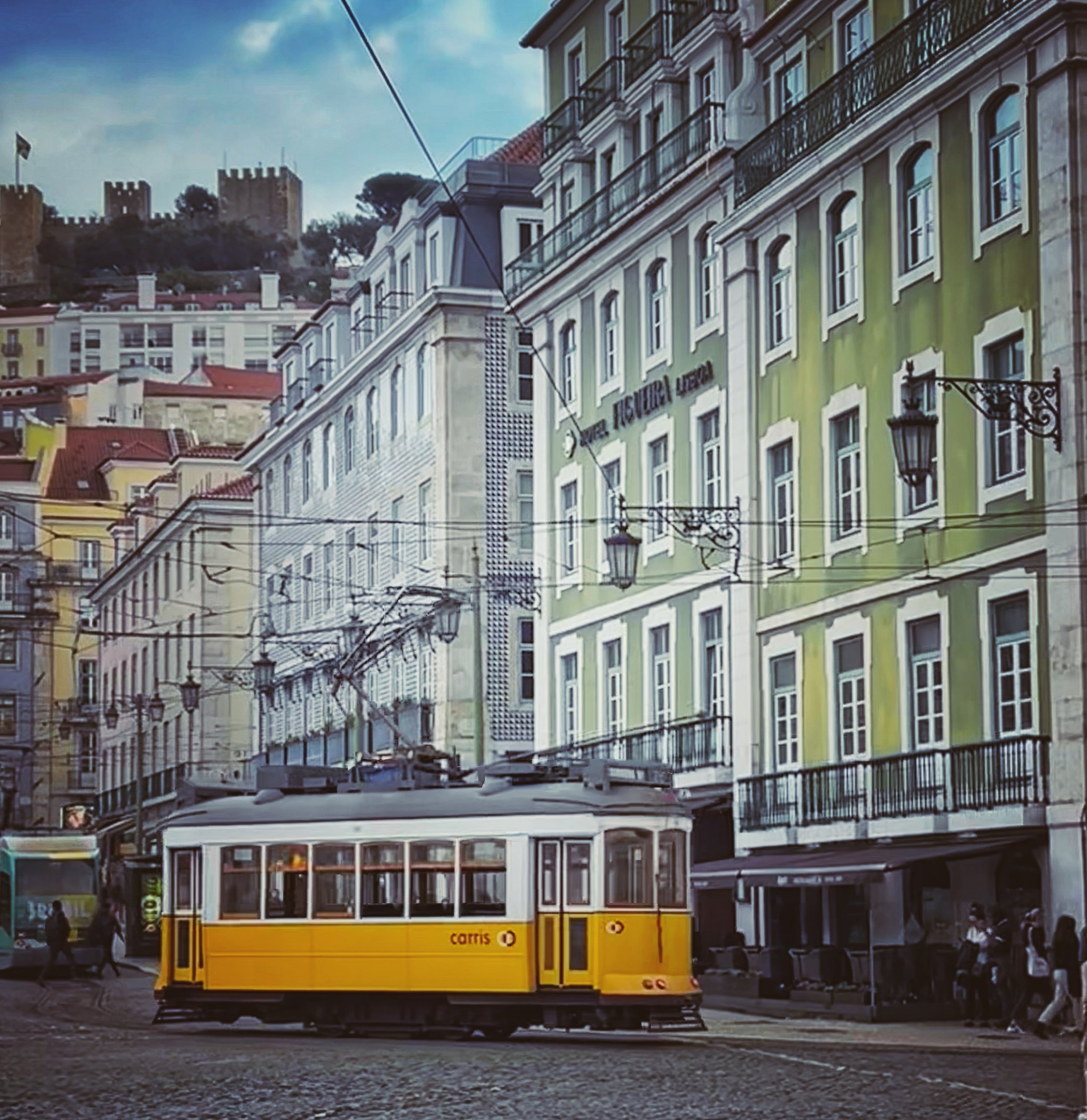
One month in Portugal
Our second month occurred deeper into the off-season from mid-November to mid-December. Again, we rented a one-bedroom apartment just on the edge of the centre of Lisbon - above and between Rossio and Martim Moniz Squares. The transportation network within the city is fantastic, and we ended up using it a fair amount.
The goal was to repeat the successes of our Sevilla experiment and to make some changes in our monthly planning - tweaking the approach. In Lisbon, we were more proactive in planning. From day one, we created a calendar of days and a list of activity options. We kept things open and flexible…but filled things in to give some structure. I’m a visual person and had all the options written on ripped-up little scraps of paper and Post-it notes, allowing us to place them in calendar squares or move them around.
Over the first 2 weeks, we found that some things fell off our list of options. Either we learned more about something and were just really honest that it was not our thing. Just because you CAN go somewhere or see something doesn’t mean you have to! Often, new things were added after reading something, passing by, or based on a desire to return to a location.
The overall schedule was framed with a few key activities.
We knew we wanted to take a cooking class in week one to get oriented to the food scene and markets.
We followed the World Cup schedule to ensure we were in the apartment for viewing key games (some others we were happy to watch in a bar!)
Train tickets are cheaper the earlier you book them, so we nailed down a few of those dates to secure a great deal early on.
Christmas lights in many countries in Europe have later light-up dates to conserve energy. Lisbon’s festivities started Dec 6th - so I knew that I needed a few nights between the 6th and 13th to glory in over 2 million bulbs alight!
The last thing we wanted was to blemish our fantastic stay in Lisbon with a draggy final week. So when the final week in Lisbon loomed with dwindling options and heavy rain in the forecast, we decided to embrace the gift that slow travel and 4 weeks of inexpensive accommodation provide and started to think outside the box.
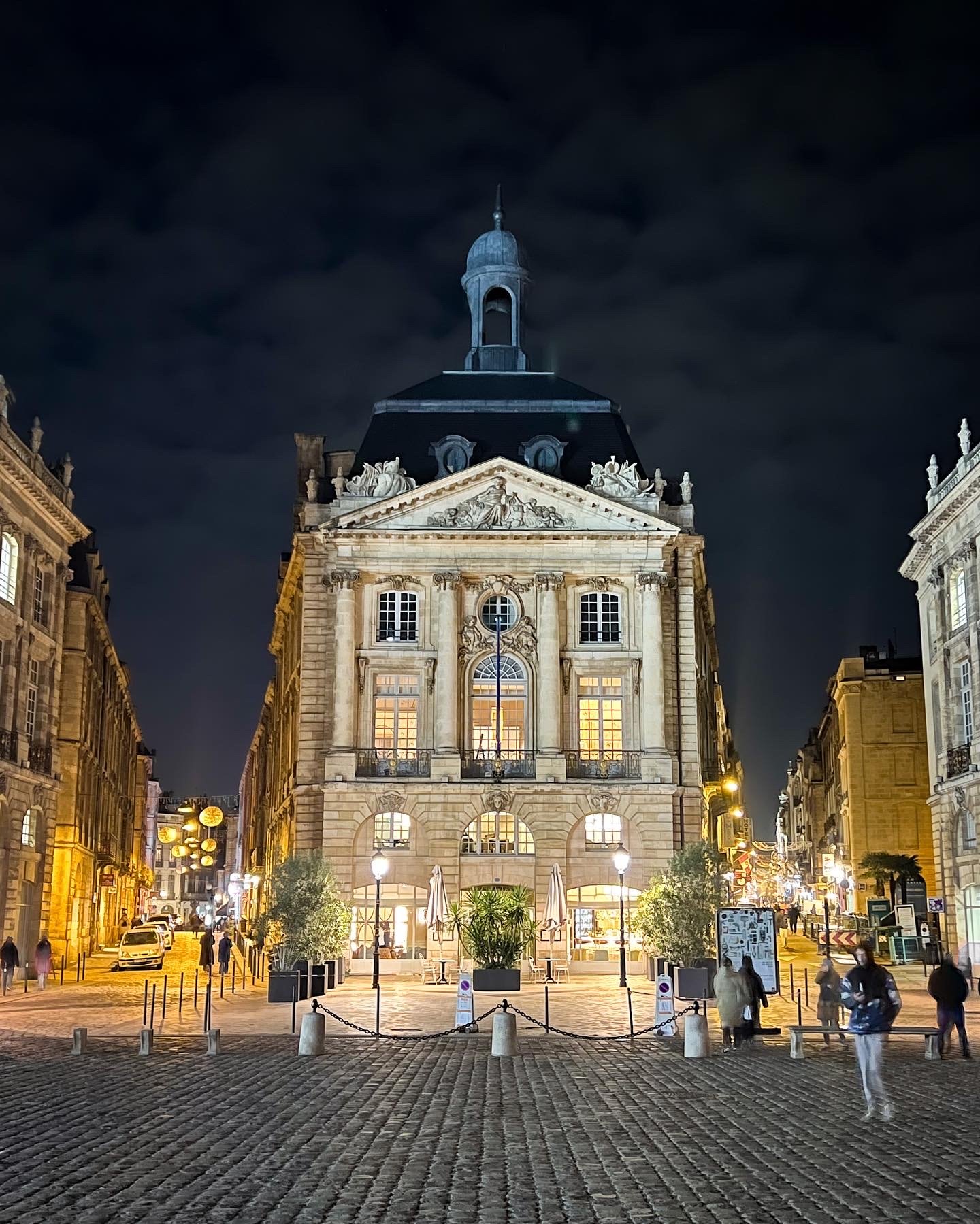
Bordeaux, France
How the spontaneous side trip happened:
The weather forecast looked very wet. It’s good for Portugal as they needed the rain! As a visitor, it’s not a huge deal, but if there had been full sunshine in Lisbon, I think we would have been less motivated to look elsewhere for something new to do.
Had the weather in Lisbon been bad, but it was nice in the south of Portugal - we would have found a way to go there. It’s a 3hr train ride to the south coast and a very different part of the country, we are eager to check out. But, alas, the weather looked very wet there, too.
We looked at cheap flights using RyanAir and places that fly from Lisbon. That helped narrow the options - locations, prices, and flight times. Bordeaux, France, jumped out as a distinct possibility that we were both interested in. The weather looked a bit colder but a bit sunnier. It would definitely keep us on our travel toes.
The final factor was cost, particularly accommodation costs, given that we were paying for our apartment in Lisbon. I sent one email to one contact on the Home Exchange network - I had some guest points to use (so it would essentially be free). I didn’t hold out much hope…but lo and behold I received an email saying that it would work!!! We jumped at the opportunity.
Interestingly, as soon as we scheduled the 6 days in Bordeaux - it had a significant influence on what our final days in Lisbon would look like. Suddenly, we were much more aware of the time left and how we would spend the days before the trip to France…and the few days back in Lisbon before heading home to Canada.
This is what I write about. Connect for more.
Overall reflections on staying one month in one location (twice).
Seeing a place “kick its shoes off.”
Author Roz Morris described finding a genuine connection to a place when you’ve seen it kick its shoes off. The longer stay enabled me to get a better sense of what was behind the typical tourist destinations. I found that by the end of week 2, I finally became familiar with “normal” things like grocery shopping, markets, garbage pick up, kids going to school, public transit - along with seeing some sights too!
What I personally LOVED about staying put (for 2, 3, 4, or more weeks)
I was never exhausted
I ate healthier
I (we) figured things out - and stayed long enough to use that knowledge/skill
I saw how a place changes and how it stays the same through weekends, holidays and season changes
Grocery shopping wasn’t a chore but an adventure - especially trying new things and finding cheap wine and beer
I could change my mind about what to do and when, or even sleep in or go to bed early without feeling guilty about wasting time
I noticed details after walking similar routes every day
I appreciated the ability to go back to a favourite place
I was thankful not to have to pack up and lug my backpack too often
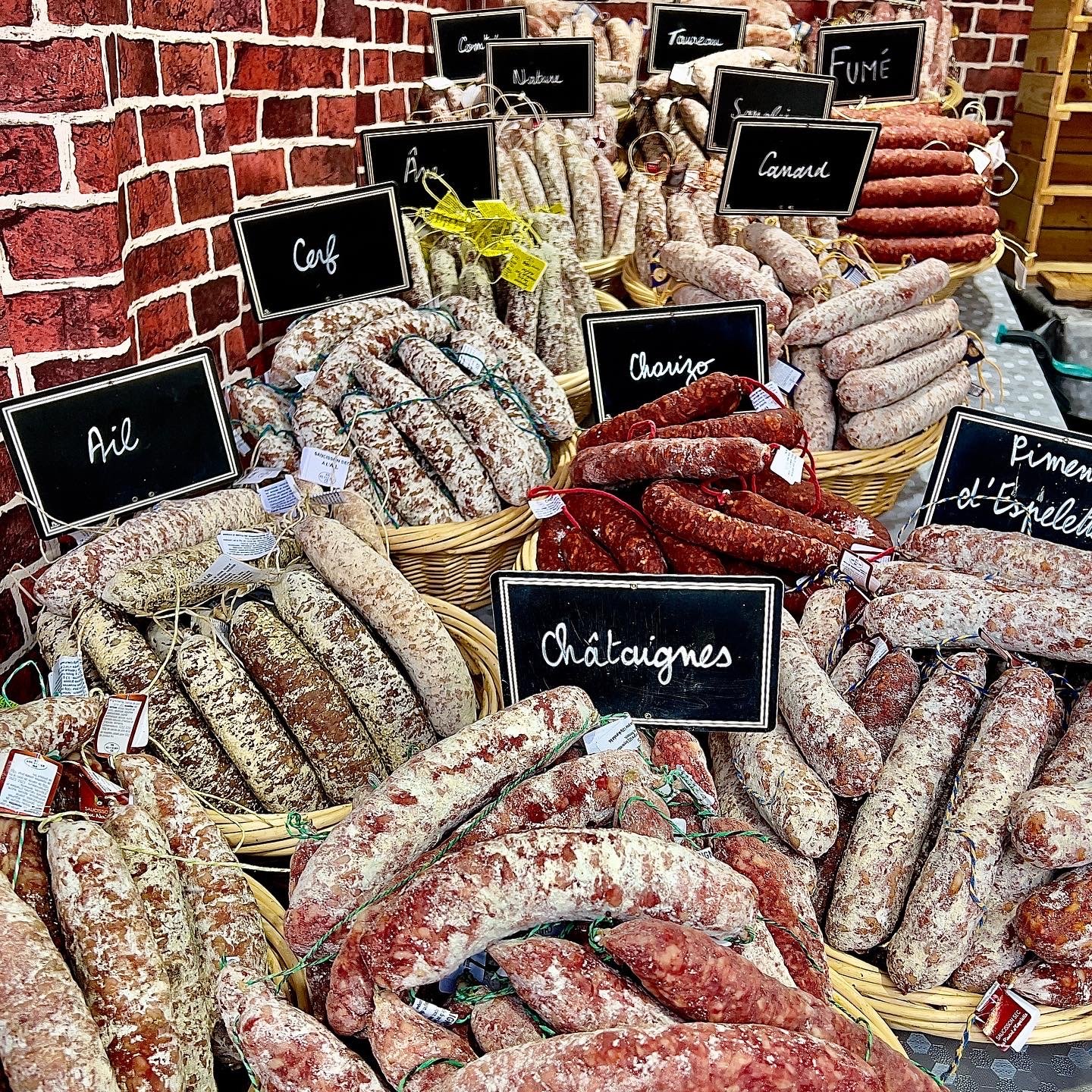
Markets!
What I found to be challenges as a long stay traveller
I thought I’d get more of a taste of “living like a local” than I did. I have realized that a month is not long enough to be anything more than a long-stay traveller. I never felt like a local because, quite simply, I was not. Personality might have something to do with it as I’m not an extrovert who would have been invited over to dinner by a neighbour or had a local barista know my order. I’m not that way at home either. We did recognize the cashiers at the grocery store or go back to the same market vendors for fresh produce…but the language barrier and my quiet nature prevented me from making lifelong friends with these people! Your experience may be different. What is important in my reflection is that I realize that I am who I am, no matter where in the world I may be! But even if I didn’t feel like a temporary local, I did like the feeling of being a long-stay traveller as compared to previous experiences of being a whirlwind tourist.
I had my “hobbies” of writing, reading and photography to keep me occupied during downtown. My husband, on the other hand, realized that his hobbies are not travel-friendly. (read his post-trip reflection here) His downtime at home is spent behind a drum set, fly fishing, playing hockey, or puttering in the yard and shop. During the trip, he read and got immersed in World Cup soccer, but reflects that he needs to think differently about things to do while travelling that fill the spaces between sightseeing and adventuring. I have to admit, I loved that he chose to “putter” in the kitchen…and was a full-time meal planner, barista and chef! All that being said, if you have some things to “do” that complement travel activities, you may be able to stay longer without missing those things.
Travel motivations are a part of this, too. My dominant one is novelty - and that works a bit against staying for 4 weeks. Certainly, staying in a city with so much to do, see and explore helps. A small town is inviting to snuggle into, but I would need to satisfy my need for novelty in different ways. My secondary motivation is growth - and that’s the one that is a huge driver to testing and experimenting with staying longer. It felt like a game to stay flexible in our itinerary, yet keep finding daily adventures to keep us learning or experiencing a sense of wonder. Connection is lower on my list - but I highly suspect that those with connection might find it even easier to stay longer…to build a deep connection with a place and its people.
Many people “do” Portugal in 2 weeks by spending a couple of days here, a few days there. We left SO MUCH unseen, and we visited for 33 days. There is no one right way for everyone. For me, I like the experience of slower, longer, relaxed travel, allowing me to pay better attention. But it did aggravate my maximizing tendencies, and I would catch myself wondering about what I missed.

Carmona, Spain
So, would I stay one month in one place again?
Maybe!
I think it depends on the place, its geography, weather, things to do, and (bottom line) affordability.
Accommodation cost is a significant factor and one that I’m glad I paid attention to and will continue to include in my travel budgeting. Personally, I’d rather spend less and go travelling more often. Some accommodations have significant discounts for longer stays. Both of our apartments had weekly discounts and then further money off for staying over 28 days. But if you are spending more time day tripping, staying 2 places for 2 weeks might be more economical than one place for 4 weeks if you feel you’ll be on the train/bus/road a lot.
Next time, I’ll calculate the costs and contemplate home base stays of 2 or 3 weeks versus 4, knowing that my Spain/Portugal experience felt like 3 weeks was a sweet spot for cities the size of Sevilla and Lisbon.
At the end of the day, I will still go to a country and be ok to leave a lot “undone” - but the things I will do will be done with intention and to allow a place to leave an impression on me.
I first wrote this in 2022 and have updated it with a few fresh thoughts and better resources.
Since writing this, I've revisited this trip through a completely different lens, not the logistics of how we made it work, but what it actually felt like from the inside. What the experiment revealed about curiosity, about following a thread, about the kind of travel that expands you rather than just opens your eyes.
That story starts with a cemetery in London when I was nine years old, and ends, unexpectedly, in Morocco.
Read the companion essay:
More Than A Holiday Could Hold: A Second Look, A Third Visit