
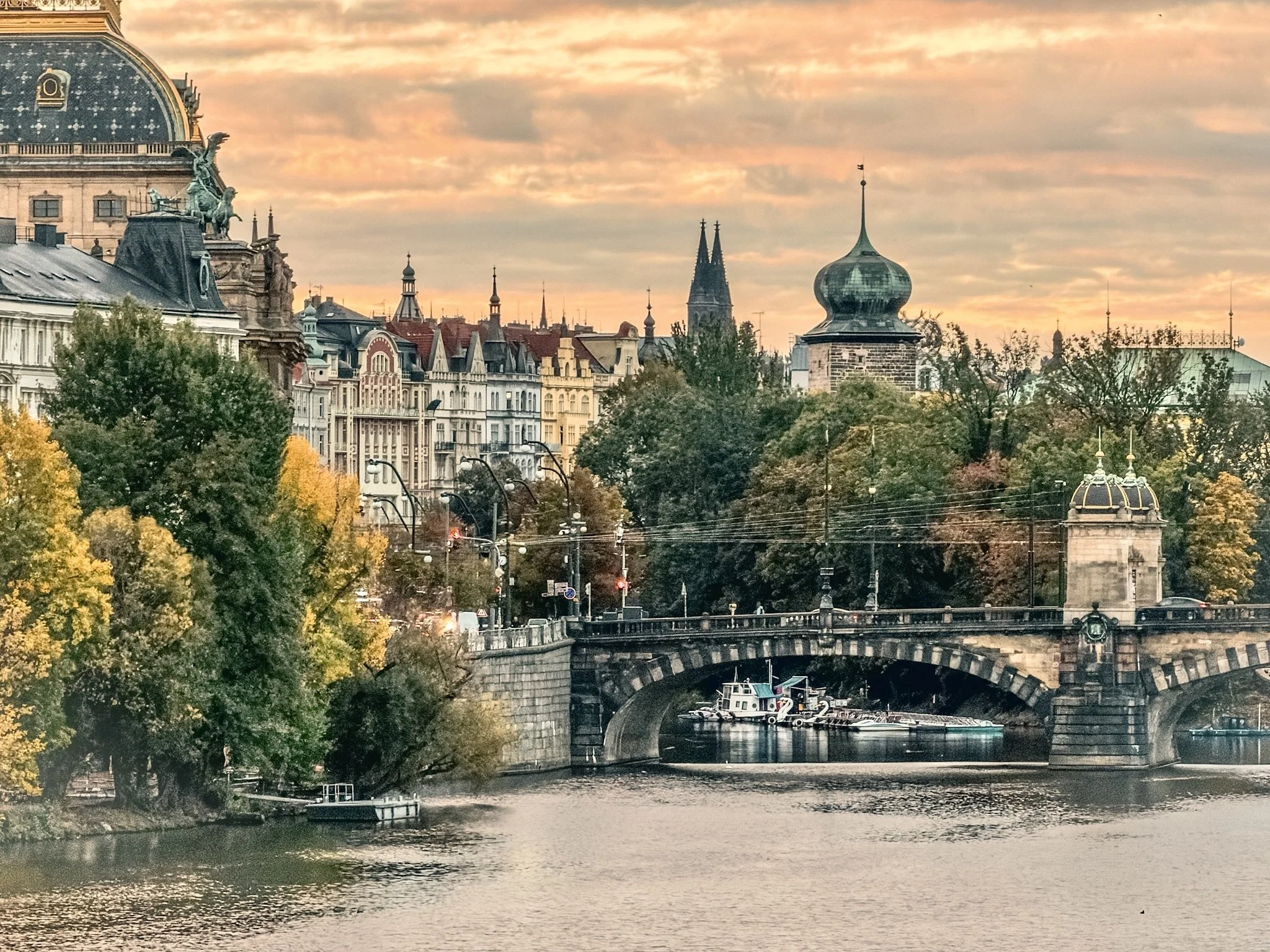
Early morning view from the Charles Bridge, Prague
Greg would have preferred to sleep in.
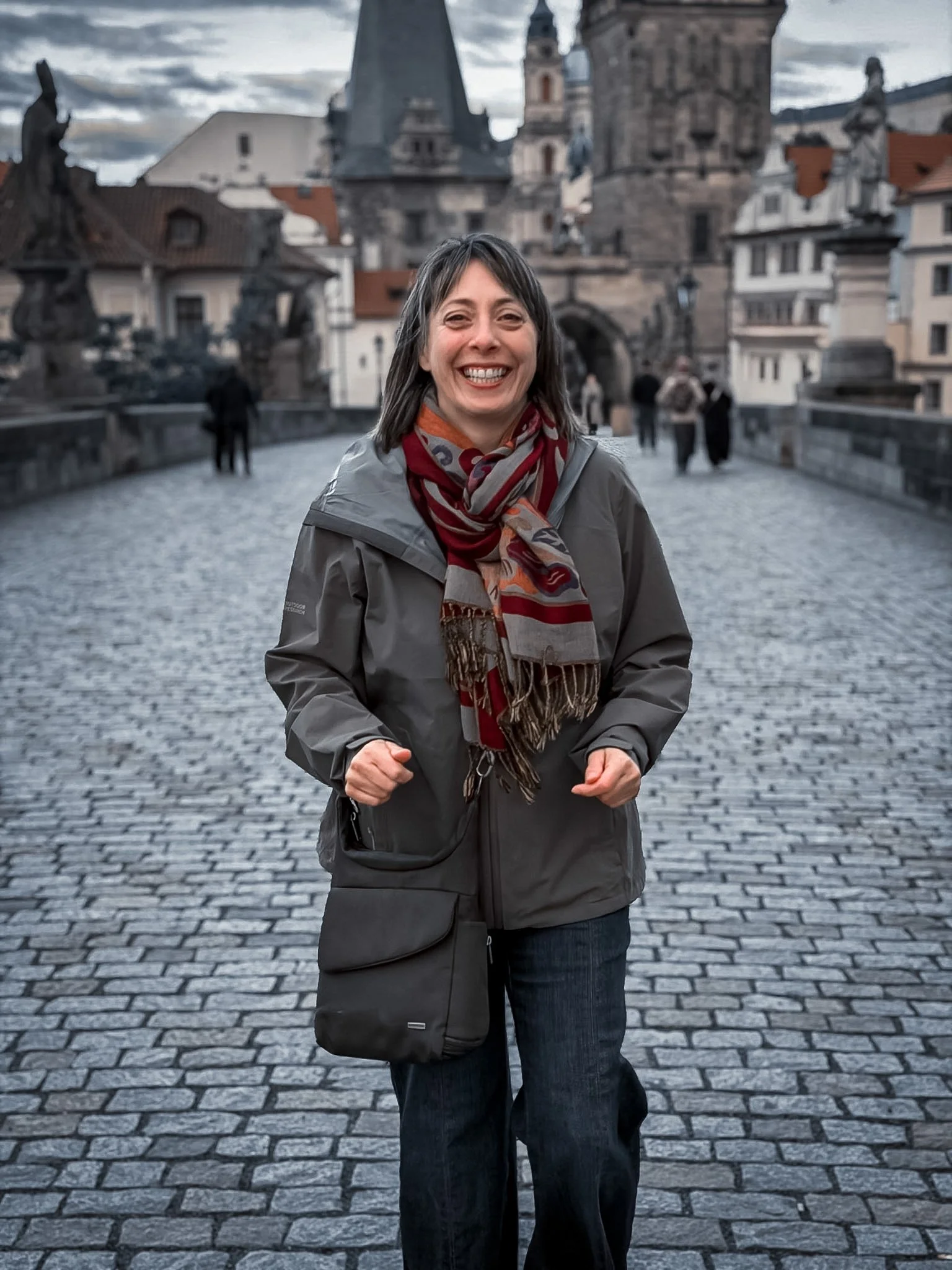
I had talked him into getting up at 6:00 am for a sunrise walk across the Charles Bridge in Prague, a place we had already visited a few days before and, frankly, hadn’t enjoyed. That first visit was overwhelming. The bridge was packed, with ridiculous lines of people waiting to take pictures at the most Instagrammable spots. We shuffled across with everyone else and moved on.
This bridge is a big deal in Czechia. It’s a Gothic stone bridge studded with Baroque statues. It was the path of royals for centuries and, like the rest of Prague, was largely spared in World War II, so it’s genuinely old and not a post-war rebuild. I had a hunch that early morning would make a better visit, and it did. As the sun rose over the city, only committed photographers, some joggers, a devoted husband, and a handful of eager visitors were there.
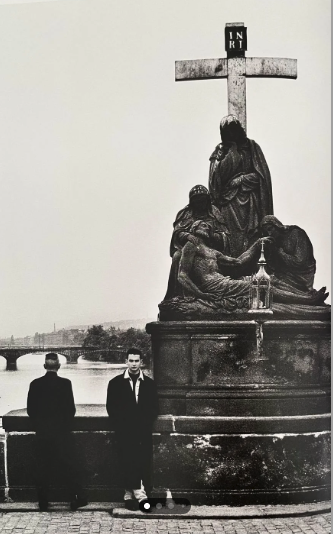
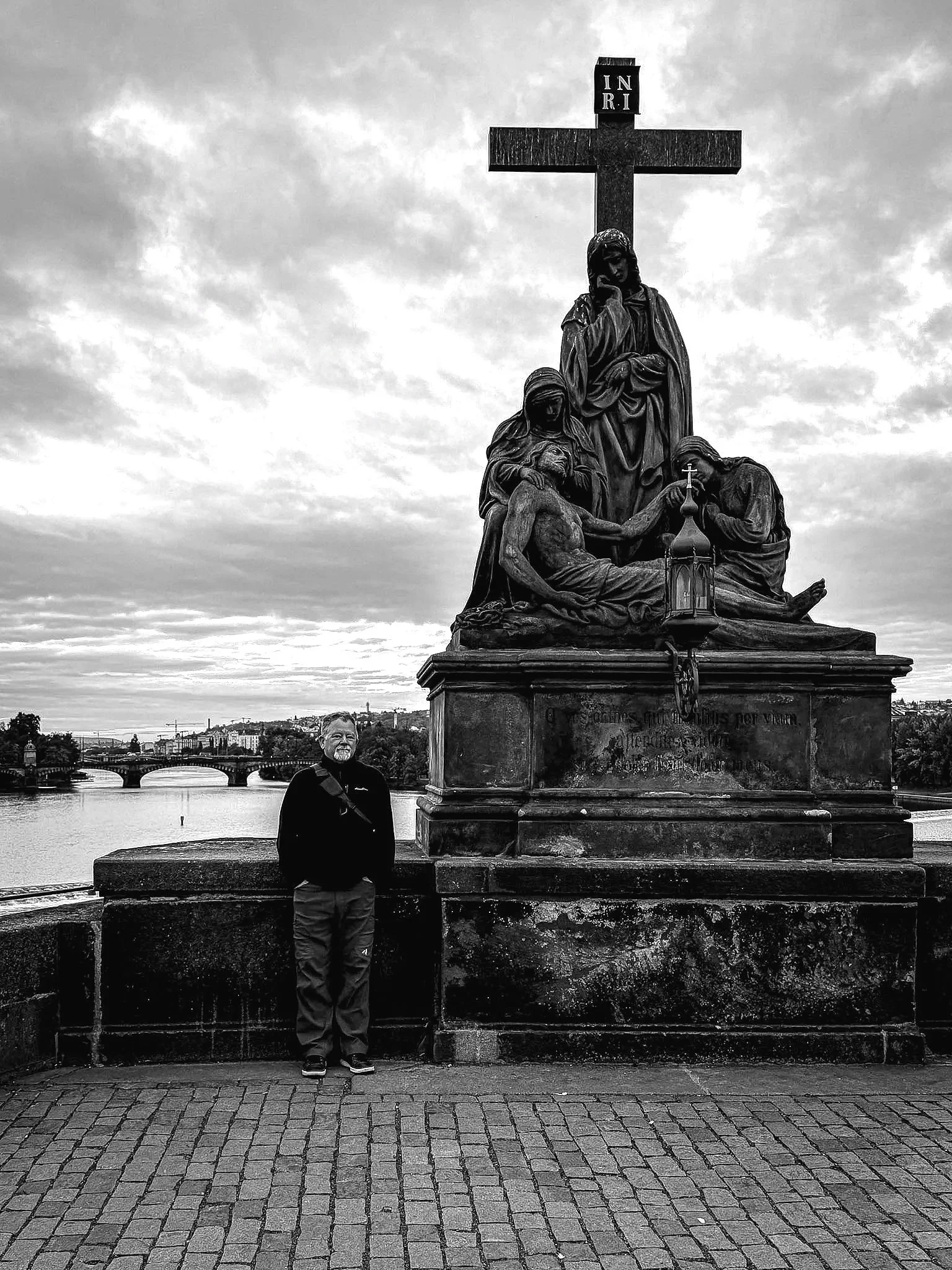
This time the photo spots were relatively free. Greg, a musician, even took the time to recreate the classic Depeche Mode photo from 1988 without the trend-seeking crowds. The person who probably would have chosen to sleep in ended up having fun posing like a superstar.
This story pretty well sums up our three weeks in Central Europe. As a couple, even though we each needed something different from the trip, most days those needs fit together better than I expected.


Two different travel needs on one shared trip
Before we left, Greg and I each took my quiz: What kind of travel do you need right now? The results describe what you need from travel at this time of your life, and that can change from one trip to the next.
Greg’s result was Grounded, and mine was Integrative.
Greg needed travel ease, time to recharge, and no pressure to keep up with a schedule. For me, Integrative travel meant following a few historical threads that genuinely interested me and being comfortable filtering out (aka saying no to) everything else.
Different needs on a shared trip can easily turn into friction. A recent Travel Bulletin survey of 1,000 adults who had flown with a partner found that 79% say differences in travel style have caused tension or arguments. Packing topped the list of flashpoints, but just over a quarter of respondents also named planning (how far ahead to plan and book a trip) and itinerary design as sensitive points.
We’ve definitely felt those tensions on past trips. On a trip to Scotland, I did all the research and planning and felt the weight of every decision. I was both hypersensitive to his reactions and out of touch with my own. It turns out that Greg felt slightly disconnected from the trip before it even started. Since Scotland (almost a decade ago), we’ve approached travelling together very differently.
The survey’s most effective fix was also the simplest: talking about expectations before you even book your flight. Of the people who tried it, 94% said it helped. For our most recent trip, taking the quiz before we left was our version of that conversation, and the results gave us an easy way to check in with each other while travelling.
Why I needed Integrative travel this time
I was actually a bit surprised by my quiz result. I’ve typically noticed big swings between Expansive needs and Restorative needs. So when it said Integrative, I was curious.
Part of it goes back to childhood. In the early ’80s my family lived in London, and this corner of Europe sat on the other side of the Iron Curtain. That era, and the countries behind the Curtain, have always intrigued me. I had a taste of a city post-Soviet presence when I visited Berlin, and was amazed at how an old city with rich, dramatic history could feel new, like it was starting over. Prague, Bratislava and Budapest were under Soviet control until 1989 and held a similar fascination for me. All three, along with Vienna, were also part of the Habsburg Empire, the world of Maria Theresa that I’d first met in the historical fantasy novel The Embroidered Book by Kate Heartfield.
(Funny, I didn’t rate this book extraordinarily high, but there are parts of it that have strongly lingered in my thoughts; Maria Theresa’s role as the Empress of the Habsburg Empire being one of them. A unique look at Marie Antoinette being another.)
Part of it may have been my Dad. He was a huge history buff, especially military history, and he never made it to this part of the world. I’m honestly not sure how much losing him shaped what I needed from this trip. Looking back, I think it was part of it, and it showed up as I focused on weaving together loose threads in my life: childhood memories, fragmented historical understanding, more questions than answers.
This feeling of weaving together loose threads had been building for a while. Hosting a women’s group trip in Morocco, and being lucky enough to travel quite a bit, fuelled my commitment to shaping a trip closely around my current interests and rebelling against the standard list of ‘must-do’ sights.
I often write about how what we need from travel shifts with life circumstances and recent experiences. I think the shifts in my life moved me (perhaps temporarily) away from my usual Expansive lust for travel.
What made it work
We stayed long enough in each place.
We spent five or six days in the big cities of Vienna, Prague, and Budapest, entirely in home exchanges. Because we weren’t rushing through, my urge to get out and start exploring didn’t compete with Greg’s need to settle in.
We built each day from a list of options, not a schedule.
For every place, we kept a short list of options and chose from it each morning. Greg said more than once that this was his favourite part: not following a strict itinerary but being flexible to options and having the time to linger and recharge.
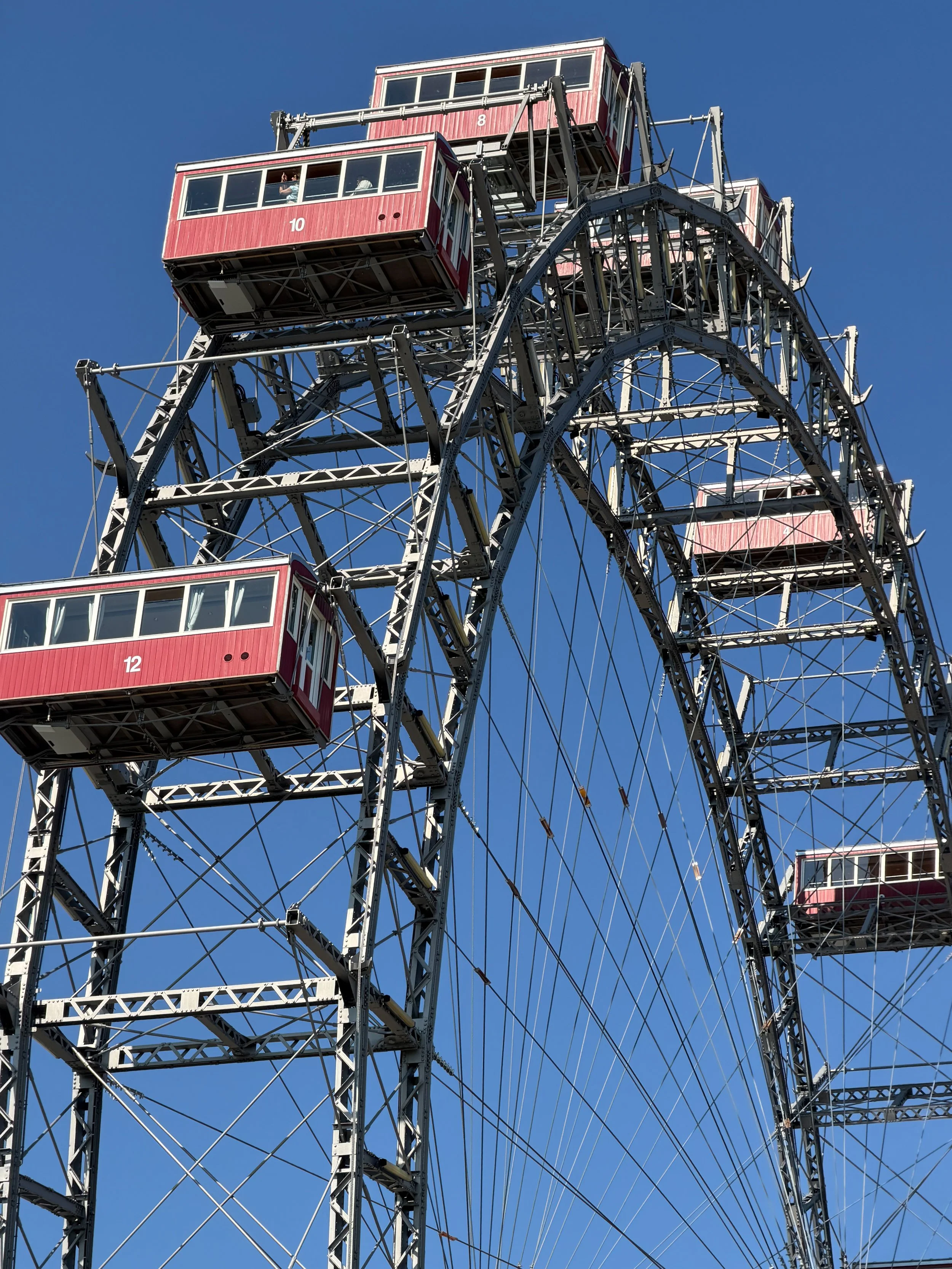
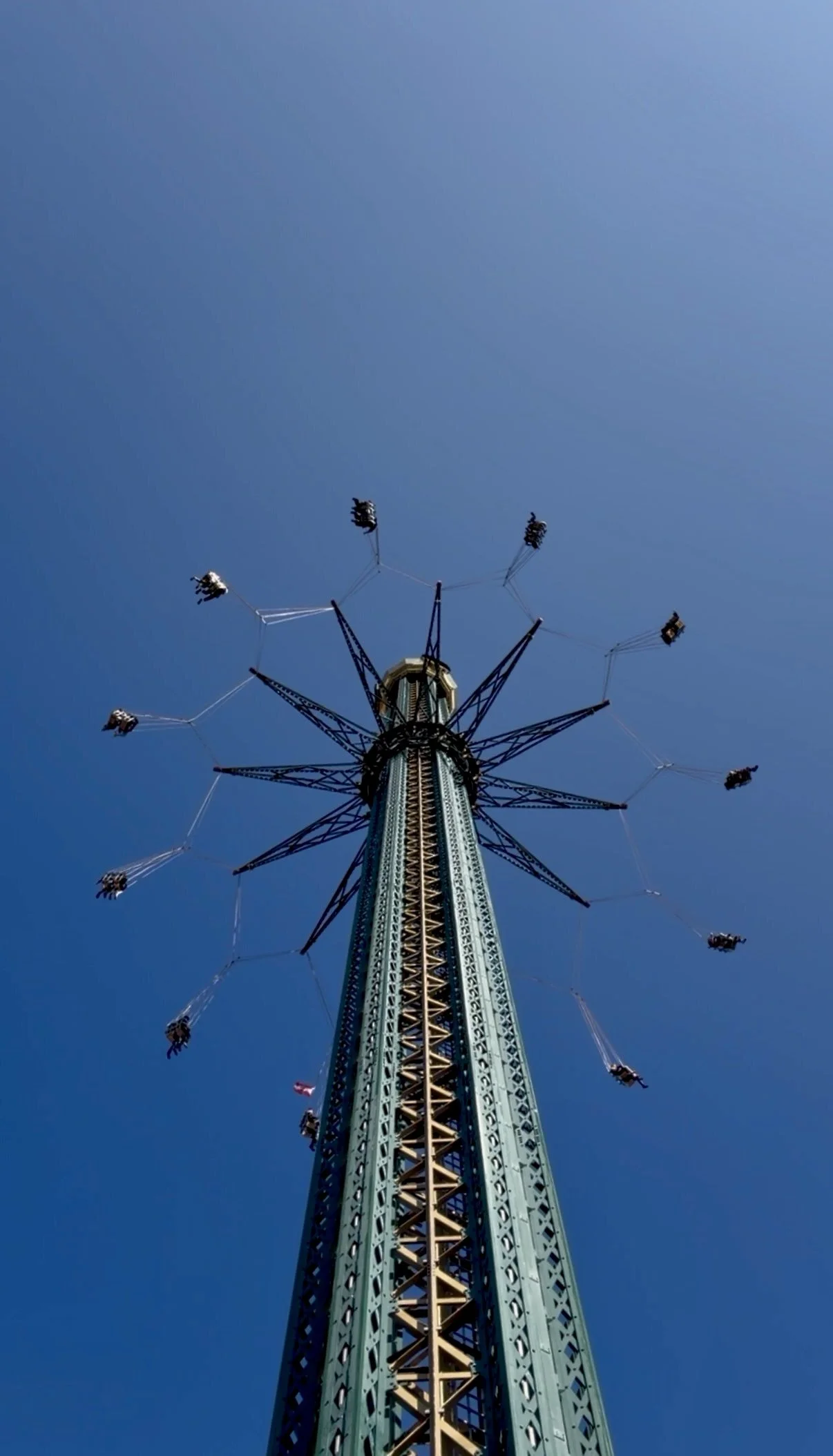
The list of options also stayed open. When a fellow home exchanger left us a note suggesting Prater, Vienna’s old amusement park, we added it and went on the morning of our opera excursion. We rode one of the oldest Ferris wheels in Europe, marvelled at all the rides we would never ride in a million years, and enjoyed the family energy. It was nowhere near our interest-anchors, but it ended up being plain good fun.
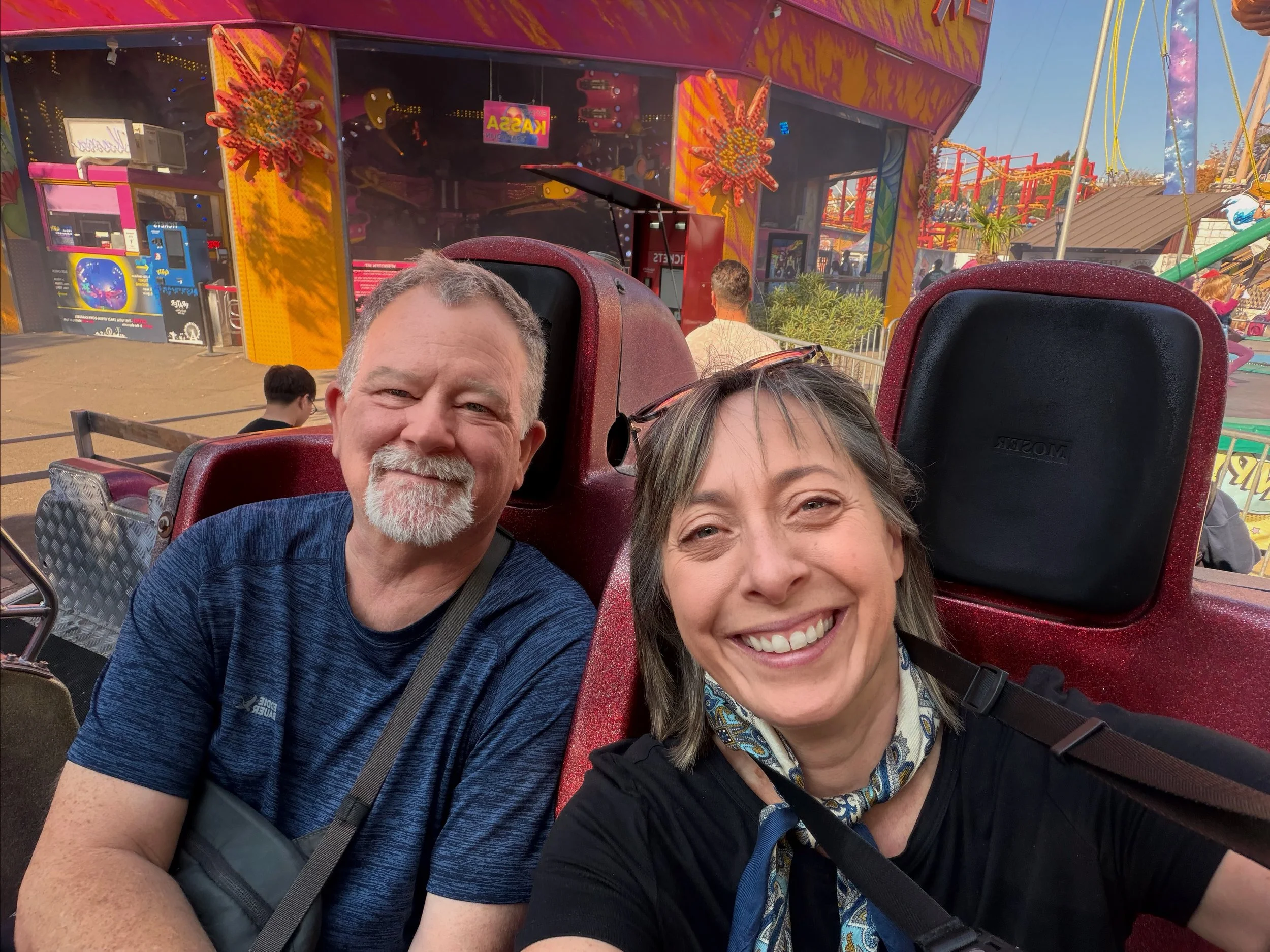
LOL - these were stationary seats!
We chose our shared trip anchors before we left.
Ours were history, local food and beer, and music.
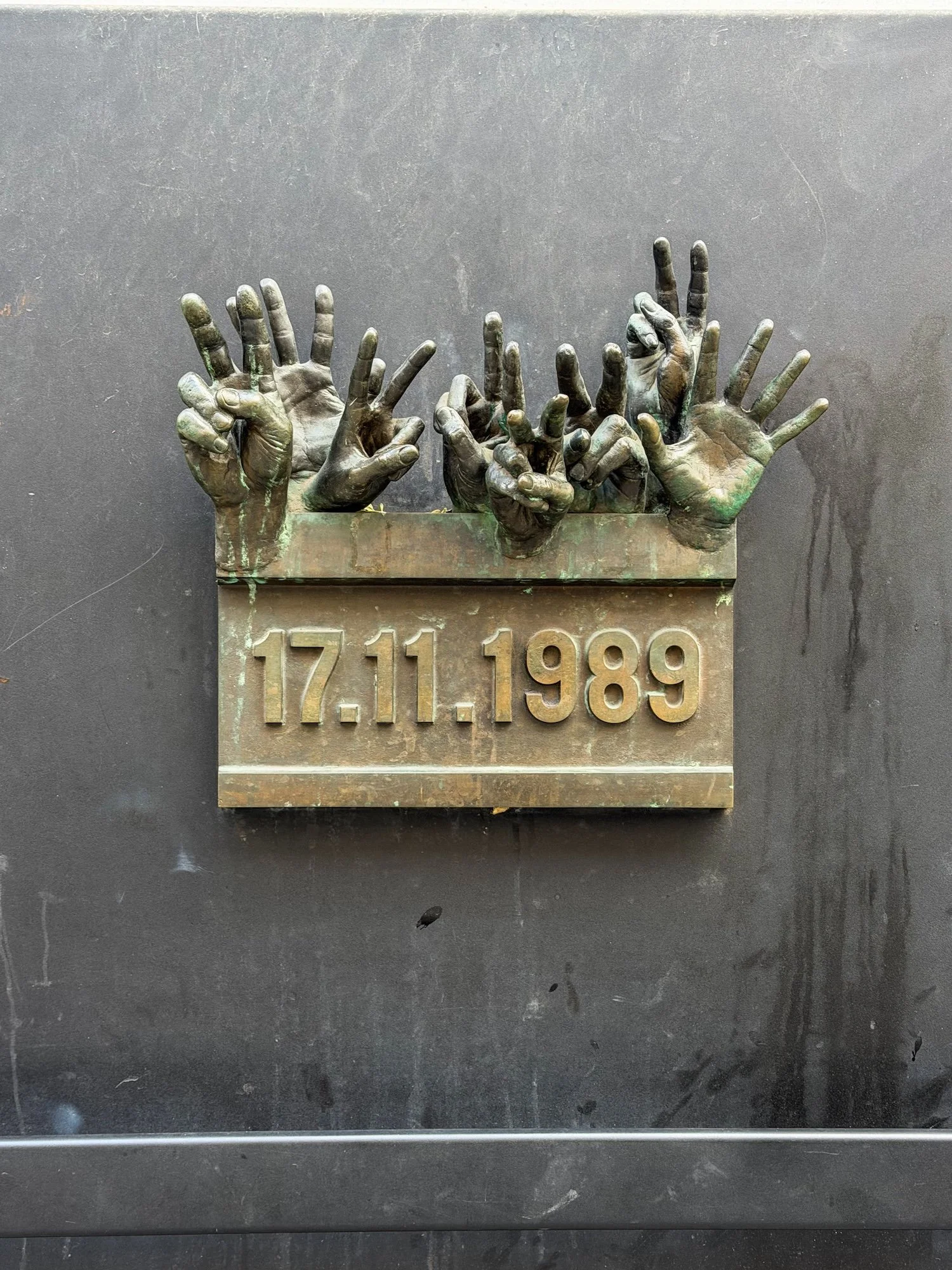
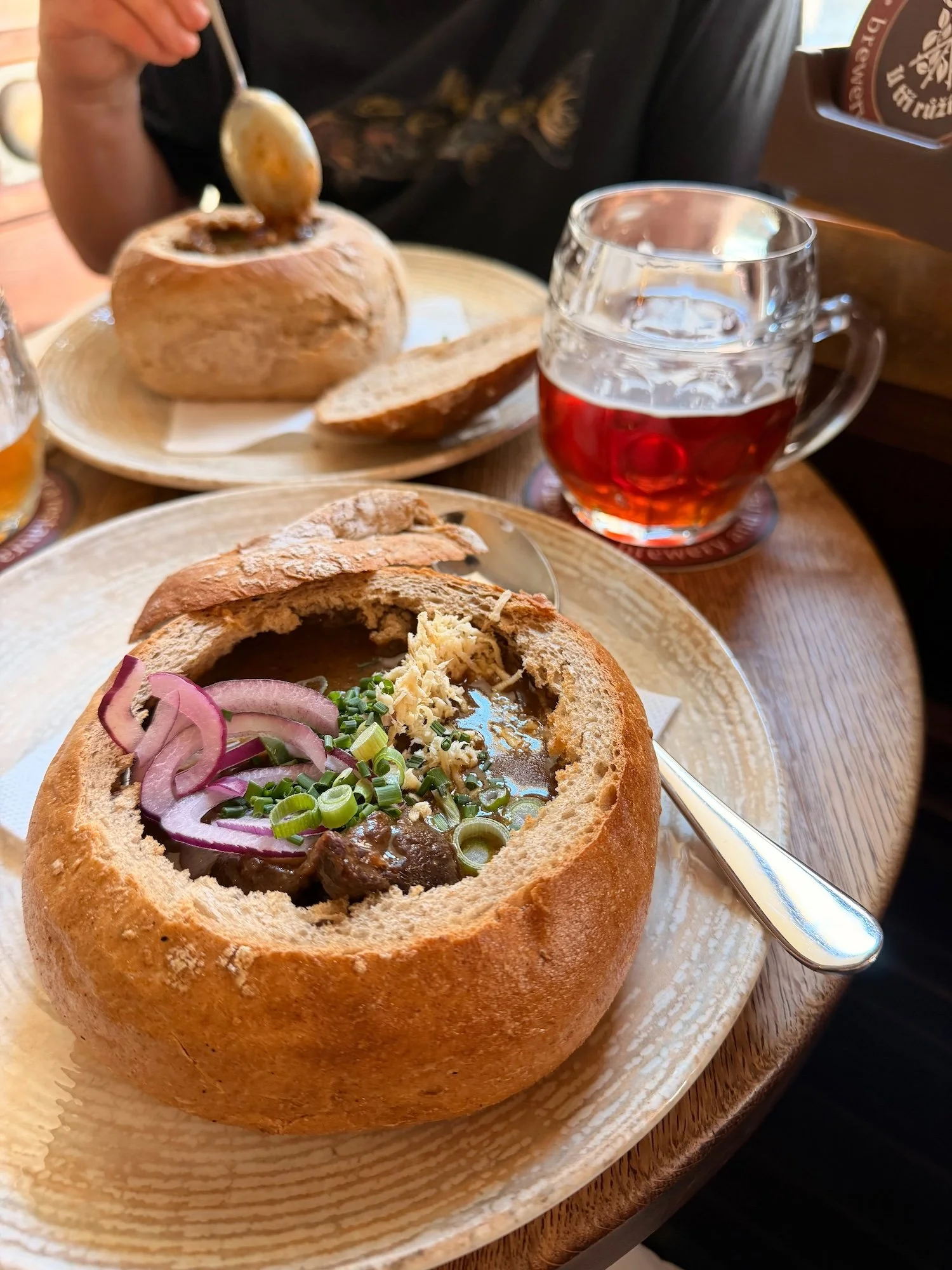
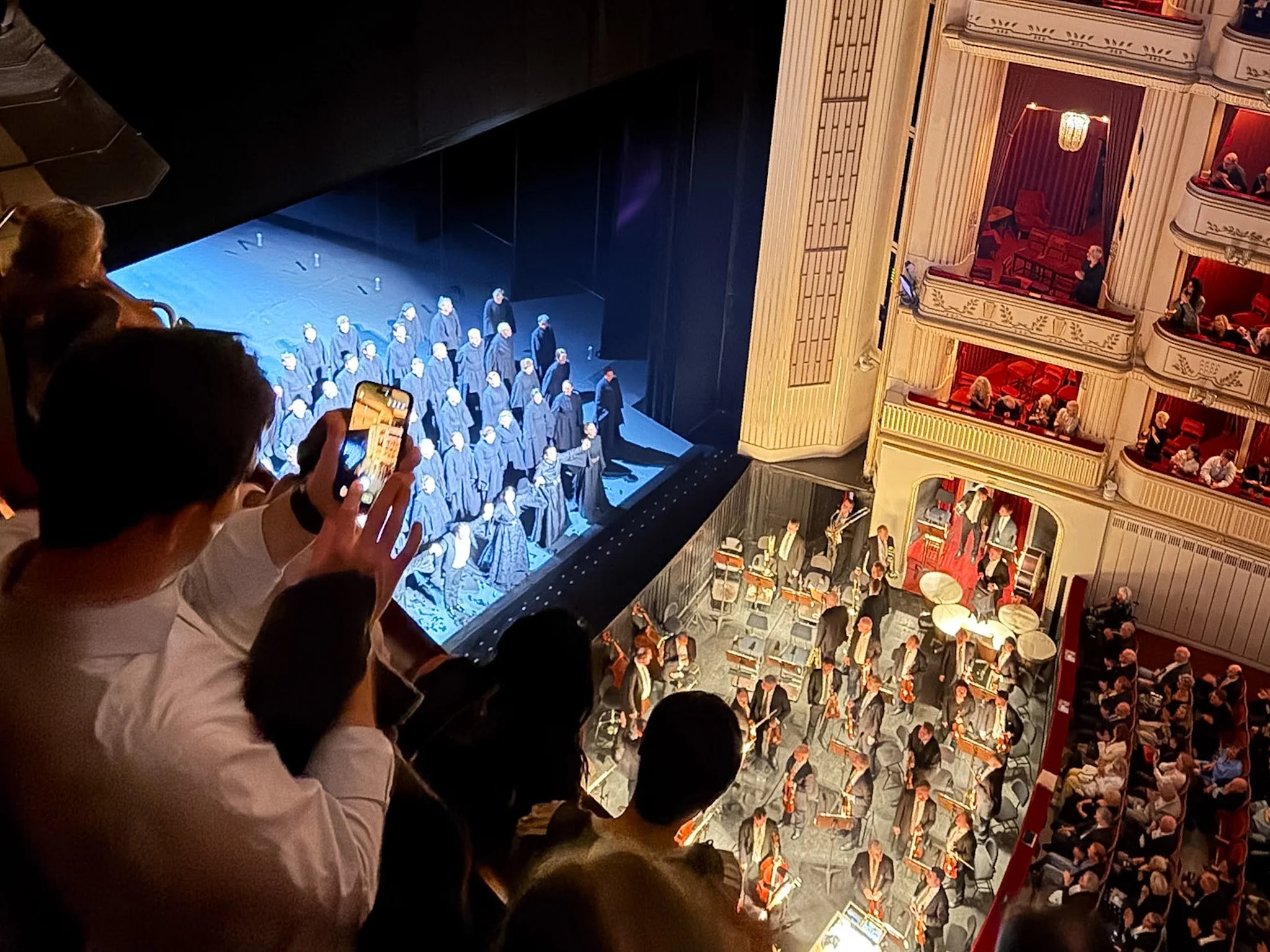
While developing my field guides, one principle I landed on for Integrative travel was ‘preference is wisdom.’ This is self-awareness developed over time about your travel style and preferences, as opposed to what others say you must see or do. I used that as my compass. We went to exactly two museums: a military museum and a music museum. We visited royal palaces but stuck to the spacious grounds rather than tourist-packed interiors. We chose VoiceMap audio tours over guided group tours (except one) so we could learn from a local and still move at our own pace. When possible, we walked between locations to experience neighbourhoods that would have passed in a blur on a tram, bus, or taxi. The only activities we spent money on were music events, a brewery tour, an evening river cruise on the Danube, and a day at the thermal baths, which was mostly about relaxing anyway (and no, we didn’t do the touristy beer spa).
I did go a little off script with architecture, though. Not long into the trip, I realized the buildings that kept wowing me tied together both the historical timelines and what makes each place culturally distinct. So, I happily followed that thread down a rabbit hole.
We’re good at being alone together.
Many evenings, after a full day of exploring, Greg either read or plugged into his music while I edited photos and wrote in my journal. That’s long been part of our relationship: happily enjoying our common activities and adventures while making time and space for individual pursuits. I can see how it could be a real rub for travel partners who don’t share the habit of doing their own thing side by side, and it’s worth knowing about each other before a long trip.
Going back to the same place.
Another principle I carried with me is that depth lives in repetition. The Charles Bridge was the clearest example. The first visit was all crowds and lineups, and the second was nearly empty, with time for Greg’s photo. Going back to somewhere familiar was easy for Greg’s Grounded need, and seeing it a second time offered a different perspective and added the kind of layer my Integrative need was looking for.
Where our needs overlapped, and where they didn’t
Vienna’s Museum of Military History is incredible, and massive. Greg was a social studies and English teacher with a keen interest in the world wars, so for him it was a relaxed, absorbing afternoon. For me, it was where the historical threads of the trip began. Admittedly, my brain hurt a bit trying to keep track of changes across decades of wars and political occupation. Seeing the car Franz Ferdinand was shot in, and his uniform with the bullet hole, was a highlight for both of us. (Reading this back, this sounds rather macabre!)
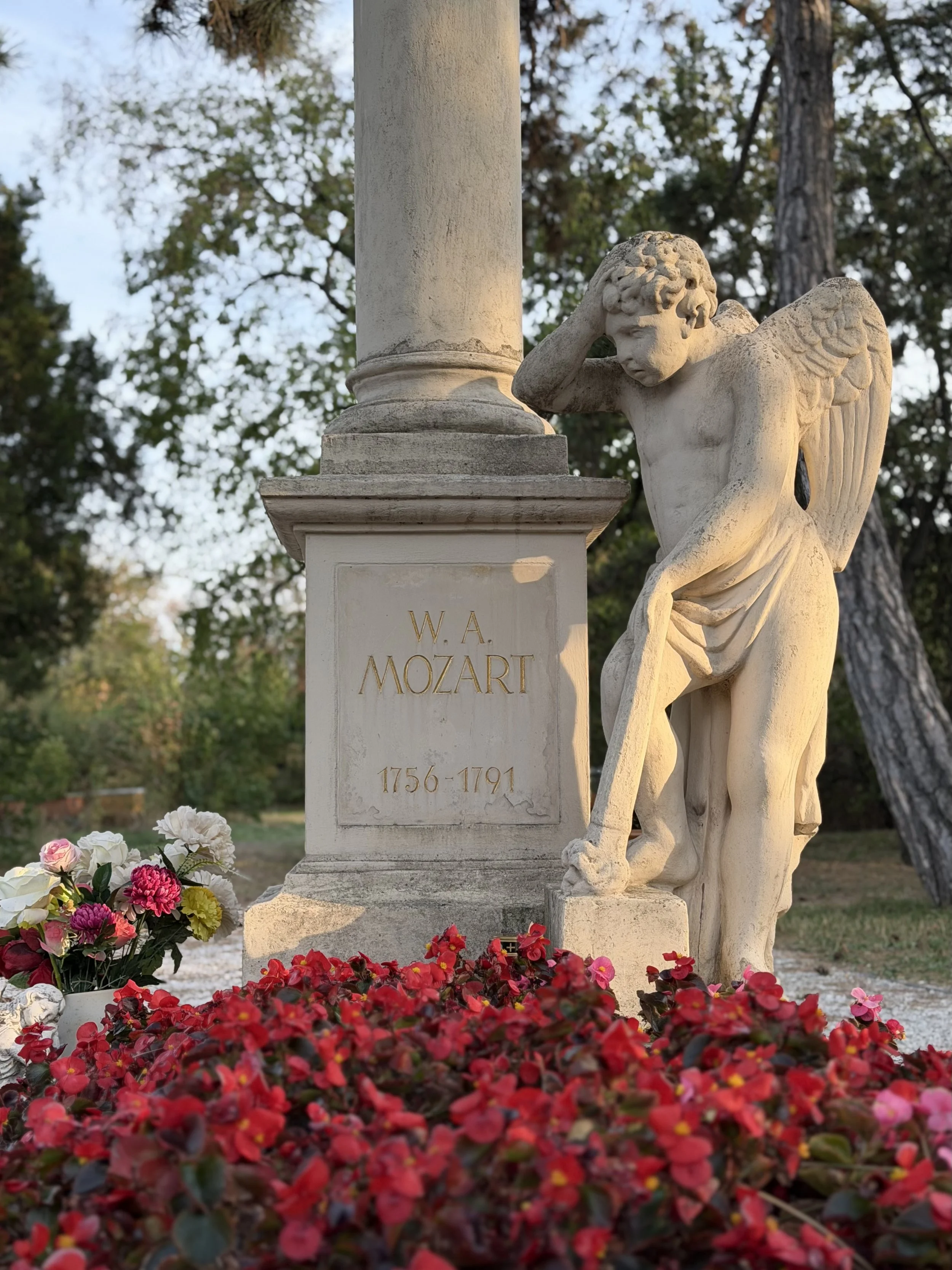
St. Marx Cemetery is in the same neighbourhood, so after a long day at the museum, I marched us off to see it. A strange fascination to some people, visiting cemeteries has become a way for me to appreciate a culture. I wanted to compare an Austrian graveyard with the ones we’d seen in Portugal, Spain, Italy, Morocco and the UK. Musical Bonus: St. Marx is where Mozart was buried in an unmarked grave.
It turned into a long walk at the end of an already long day. I could have gone on my own another time. Greg came anyway, and he was a good sport about it. Luckily, the cemetery isn’t large, and we both found it more interesting (and more overgrown) than we expected.
On the long walk back, we stopped for a well-deserved Viennese pastry.
Before your next trip together
Whether with a spouse, partner or a friend, reduce travel friction with a few of these ideas:
Take my quiz, and have your travel partner take it too. Compare results and notice where your needs overlap and where they don’t align. Putting a name to what each person needs turns vague frustrations into something you can actually plan around.
Choose a couple of shared interest-anchors before you go. This is critical and is at the root of knowing why you are travelling. Anchors make it easier to say yes or no when the options pile up. Once you’ve both agreed on what matters most, it’s much easier to skip the rest without either of you feeling short-changed.
Keep a list of options for each place instead of boxing yourself in with a fixed itinerary. In the morning, check both the weather and how you’re feeling and pick activities that align. After a long day, pick something close and easy. When you’ve got energy, go for the bigger outing. I use the Trello app to keep our option list flexible.
Build in time to do your own thing, together or apart. Even well-matched travel partners get worn down by constant togetherness. Time on your own, or at the very least, individual activities require no compromises.
When your needs differ, one of you will sometimes want something the other doesn’t. Asking openly, and not too often, means neither of you quietly gives up what you need. And be ready to buy the pastry.
Here are some of the activities we enjoyed:
Download the Get Your Guide App with code TRAVELBUGTONIC5 for a discount on your first booking.
Travelling with someone soon?
Take the quiz, What kind of travel do you need right now?, and ask your travel partner to take it too.
Comparing your results before you plan makes the daily decisions so much easier.