
How to Plan a Travel Budget: 12 Tips to Enjoy More While Spending Less
Ten weeks in Europe. Two people. $9,000 total. No misery, no missed experiences.
If you're trying to figure out what your trip will actually cost and how to make the numbers work, you're in the right place. You’ll find a free budget calculator, a case study, and 12 money strategies that actually hold up in the real world.
Before you dive in: the free Travel Budget Calculator is in the Travel Lab Library. Plug in your numbers as you work through these tips.
→ Grab it here

Is Travel Really That Expensive?
Costs can quickly add up, and travel does require a real financial commitment, one that stops many people from believing it’s even possible for them. And while some people talk themselves out of it entirely, others throw financial caution to the wind and play the YOLO card a little too often. Great memories, mounting debt.
If you're new here, hello! I'm a budget-conscious traveller who loves to travel with my husband, with a friend, or completely on my own. Since my husband's retirement and my own semi-retirement, we've had the privilege of both time and a modest pension to work with. Over many years, we've paid off debt, chosen a small home, and shared one car, not because we had to, but because we consciously decided to spend our money on what actually brings us joy. Not things. Experiences. Travel experiences, specifically.
What kind of traveller are you?
I delight in longer, more frequent trips, so stretching my budget is always top of mind. You might be the opposite: shorter trips, less often, with full luxury as the goal. Ease, pampering, no compromises. To each her own! I'll happily skip the fancy hotel if it means I can stay three weeks instead of one.
Everyone's financial picture is different, too. You might be rolling in it, or you've found creative ways to work and travel, or (like us) you have a savings account with one dedicated purpose: the travel fund. There is no single right way to make travel happen. After years of trial and error, I'm still finding ways to make longer, more meaningful trips a reality for far less than I ever imagined possible.
Before any planning, and definitely before any booking, take time to define your travel goals and purpose — it's one of the most skipped steps in the whole process, and one of the most expensive to ignore. If you don't know what matters most to you on this trip, you'll spend money on things that don't actually matter.
Are you craving escape? Immersion in a new culture? Local food, wild nature, historic sights? Get clear on your top two or three priorities and let those drive your spending decisions. That clarity alone can save you hundreds.
Where to Find Travel Savings
There are four primary travel costs: transportation, accommodation, food, and activities. Admittedly basic, but this is where the bulk of your travel dollars are spent. This is also where you can find the biggest opportunities to save on overall costs or to allocate finite travel dollars ( with intention) to things that matter most to you.
Whether you build and follow a strict budget or simply give yourself a ballpark figure to help plan your next trip, think about your travel wallet needing four deep but not limitless pockets. Determine which of those pockets (transportation, accommodation, food or activities) matters the most for your next trip to help determine which pocket gets the most money, and which can be tightened up. For example, if the purpose of the trip is to experience the energy of a famous city, live theatre tickets might be more important than high-end accommodation, so you find ways to shift some accommodation dollars to support other priorities. Conversely, if the trip is for self-care, you might prioritize beautiful, luxurious accommodations over activities.
Budget-conscious travel is really about using money-saving strategies to maximize your travel dollars, so you take the trip that brings you the most joy.
Let me unpack these 4 areas further and share some money-saving tips. Not all of the strategies will apply to you or for every trip. Exploring these cost areas, though, will ensure your travel dollars are spent on things YOU care about and might make your next trip feel more possible financially!
Travel Budget Planning Strategies
1. Transportation: Getting Around
Be as Flexible as Possible
Flexibility with your dates and travelling during shoulder seasons or mid-week can substantially lower costs, as these times tend to have less demand, resulting in better deals. For years, we were restricted to high-season travel due to our work schedules, but still tried to stay as open and flexible as possible.
Read: Off-Season Travel Makes Me Happy
If you use travel rewards or airline points (which offer an incredible opportunity to save money), flexibility with dates helps you leverage travel rewards more effectively. A day or a week here or there may allow you to capitalize on promotions, discounts and bonus offers, maximizing the value of your rewards and reducing out-of-pocket expenses. Flexibility extends to airports too — on a recent trip, I saved significantly by flying from a smaller regional airport rather than the main city hub. It takes some vigilance, but the deals are there.
Book Some Things in Advance

Booking ahead is another smart strategy for many transportation options, including flights using points, trains in Europe, and anything that goes on sale. While I don’t want to encourage overplanning a trip, if you identify the key transportation routes and create a structure for your itinerary, you can secure train, bus, or ferry tickets early, often with an advanced booking discount, and gain peace of mind knowing your travel arrangements are in place.
Watch for annual sales in travel. Black Friday and Boxing Day are notorious for having great prices on flights or tours, so be prepared to press buy if something aligns with your plans. I scored a great discount on Eurail passes during their anniversary sale. I wasn’t going to be using them for 10 months, but I took advantage of the great price, and by the time my trip came around, they had been bought and paid for!
The Slower the Better
My personal opinion is that travel experiences are enhanced when you slow down! This includes taking trains instead of flying, using buses instead of taxis, and walking whenever possible. Public transportation systems in European cities are typically excellent, and city passes, or transportation cards, can offer further discounted fares on buses, trams, metros and trains. While these choices often create a few more travel wrinkles and take more time, they enrich your experience of a place. Anyone who skips public transportation in a new city is genuinely missing part of the experience.
Read: Finding a New Rhythm In Slow Travel - Spanish Style
2. Saving Money on Hotels / Other Accommodation
Location matters
Where you go matters as much as how you spend once you're there. While it is all relative to where you come from, I have found that as a Canadian traveller, Spain and Portugal proved to be very budget-friendly compared to the UK, Italy and France. In more expensive or popular locations, opt for off-the-beaten-path itineraries to yield cost savings, as tourist-heavy areas tend to have higher prices. For example, we found southern Italy was generally less expensive than Rome, just as Andalusia in Spain was less expensive than Barcelona. We also stayed just outside Amsterdam and took transit into the city, which was a wonderful daily routine!
I'll also say this: I've become more intentional about where my travel dollars actually land. Choosing locally-owned accommodation, eating where residents eat, and shopping the markets rather than the tourist strips doesn't have to cost more, and it means something to the places you visit.
Prices Drop in the Off and Shoulder Season

Comparing Rome in March vs. April
The shoulder season is shrinking - tourism has seen to that. But visiting outside peak times still offers real benefits, not just financial ones. Off-season may compromise on things like weather, when flowers are in bloom, whether you can swim in the sea, and if there are concerts or public events scheduled… but you may, instead, have fewer crowds, moderate temperatures, and smaller costs. You have to weigh the pros and cons for yourself.
I was shocked at the price increase of apartments in Rome in March as compared to April! A one-month difference saw accommodation triple in price! In large, iconic cities with lots of tourism, this rate hike will be a common story. So, as a budget-conscious traveller, what did I do? I decided to spend only 4 nights in Rome instead of the original plan of 10. In hindsight, I wish I had flipped my itinerary around to spend the full 10 days in Rome in March and avoided the city when the high season hit in April. The lesson: research seasonal pricing before you set your itinerary, not after.
Shop Around for More Savings
When I book accommodations, I start by checking out multiple sites (booking.com, hotels.com, VRBO, and Airbnb). It can get very overwhelming, but I have found that with a little research, I can cut the options down to something my brain can reasonably sort through. The key is to research the city or town for the personalities and amenities of different neighbourhoods. I look at public transit routes and choose accommodation in travel-friendly neighbourhoods that are an easy walk from a train station and with easy access to the places I want to spend my time, preferably by foot or by quick public transit.
Pick a booking site you love and take advantage of any loyalty perks. For example, I often use booking.com and receive discounts! I try to play the loyalty game strategically with accommodation booking sites. Some offer a free stay after a certain number of nights, some offer extra discounts with more bookings, and some have great sales. I find this fun, but others find it agonizing. Only spend the time finding savings this way if you like travel bargain-hunting!
Evaluate the Extras
Views, terraces, space, beach access, a central location, and charm all cost more. I don’t compromise on these factors when they are a priority for a trip or place. I also read reviews carefully for clues as to if/how these extras might add to the experience. For example, I once booked a place partly for its charming outdoor terrace. Not a single review mentioned it. Cute in photos, useless in reality. Read reviews carefully for what people actually experienced, not just what the listing promises.
Consider Accommodation Alternatives
During my working years, I stayed in plenty of hotels on someone else's dime, and honestly, I loved it. But I started noticing that big hotels have a standardized feel. I remember standing in a lovely luxury hotel in Ottawa, thinking: I could be in Vancouver, London, or California right now. Very nice. Zero local personality. Now that I'm retired and spending my own money, the travel math has completely changed. On my own dime, I am continuing to explore alternative accommodation options to both save a substantial amount of money AND make my travels unique, interesting, and with a local flair.
Accommodation has the potential to be the biggest percentage of a travel budget. On a 10-week trip to Spain and Portugal, we made choices that brought this down considerably, leaving more for activities (and buying Christmas presents).
Here's what that actually looked like on a real 10-week trip:
Used reward points for 5 nights
Received incredible discounts of 40%off for two, month-long bookings
Stayed for free on a spontaneous week-long side trip to France using Home Exchange
We loved exploring both UK and France, and only paid “real money” for 6 nights out of 21. The rest were a combination of Home Exchange, reward nights, and 3 nights at a friend’s home. Then in Spain, we Home Exchanged for 15 “free” nights in three different cities. Home Exchange has been one of the single biggest budget game-changers for us. If you're curious how it actually works, read this article! Also consider pet or house sitting, workaways, volunteer gigs, or other creative ways to stay for less or for free.
3. Saving Money on Food
Get a Kitchen (or Free Breakfast)
Sampling local cuisine is a highlight of any trip, but eating out for every meal will strain a budget. Staying in an apartment or a place that offers kitchen access is where accommodation and food budgets can help each other out. During our travels, my husband and I like to eat out, on average, once per day. Our daily plans help determine if it is lunch or dinner, with lunch being usually less expensive.
Cooking while you travel keeps both your budget and your body happier than eating out three times a day. We eat local by shopping at markets or grocery stores - which is an experience in itself! Some of our favourite simple meals are very affordable, fresh and locally inspired, including:
Fresh mushroom ravioli with pistachio pesto (Sicily, Italy)
Steamed clams fresh from the fish market (Portugal)
Sliced market tomatoes, cucumbers and/or peppers with a drizzle of olive oil - often with tuna (Spain)
Sandwiches with bakery bread, salami, cheeses, and veggies (France)

Yes, you have to do the dishes when you cook… so if you are travelling to get away from all those responsibilities, you might want to put more money into your food budget. For us, cooking in a foreign place is both a pleasure AND it frees up money for other activities. We splurge on some amazing restaurant meals as an intentional part of our experience, versus satisfying a simple need to eat.
When we stay somewhere for less than 4 days, a “hotel” type arrangement often makes more sense. In those places, I look for accommodation with a well-rated free breakfast. This REALLY paid off in Catania, Italy, when BNB Landolina’s morning spread went WAY beyond our expectations. Their breakfast alone is worth the stay.
Avoid Getting Hangry
I tend to get hangry quickly. It’s not pretty. I’m learning ways to prevent those situations. You’d think at 50+ years, I’d have figured this out. Not yet! The thing with getting hangry (other than being a grump) is that I tend to make hasty food decisions that are usually too expensive, not enough, not healthy, and not tasty.
Here are my current strategies.
Pack a snack.
Consider meal times when planning the day. Better yet, plan a fun food experience or food tour as part of the day’s events.
Don’t satisfy your hunger in the tourist areas. If you are beckoned in to sit and shown an English menu in a non-English speaking country, know you could do WAY BETTER! If my hunger-grump is long past reasonable, I get a drink and a nibble instead of a meal to tide me over.
4. Saving Money on Activities: Having Fun!
Be Selective with Tours
We value the depth that having a local guide provides, and are picky about value. If it is a high priority, the information from a local guide is incredible! For example, we went up Mt. Etna with a local geologist who offered a unique perspective. It was an excellent experience and worth every Euro. The tour also included lunch and transportation, so we also solved our challenge of how to get up a volcano with no car!
We very much enjoy and utilize audio guides (here are my top reasons why). If there is a free Rick Steves audio tour, we use it. He is funny and helpful throughout Europe. VoiceMap is another favourite low-cost audio tour option developed by local guides. Free walking tours are a favourite too, although we always pay as it is a tip-based service, and I’ve never been disappointed!
We pay (and sometimes a lot) for special experiences that we identify as important to us. A Flamenco Show, a European Futbol match, cooking classes, entrance tickets, boat rides, and museums when we’re in the mood. This is where knowing your travel intentions, along with your unique interests really matter.
Find What is Free
Visiting every museum, garden, and attraction costs a fortune. We try to be honest about what sparks our interest as compared to all the things everyone has on a bucket list. For example, Rome has over 100 museums. Being selective is critical unless you move to Rome!
Europe offers a plethora of free and low-cost attractions, from museums to stunning public parks, historic neighbourhoods, and cultural festivals. Take advantage of these opportunities to enrich your experience without overspending. We always seek out free things and events. We love to walk, to watch the bustle of a busy street or piazza, and to enjoy the things that local people enjoy. It’s hard to top a Sunday afternoon picnic hanging out alongside local families in a park under an ancient aqueduct - a taste of the La Dolce Vita.
Some of our favourite experiences have been FREE! Here are a few.
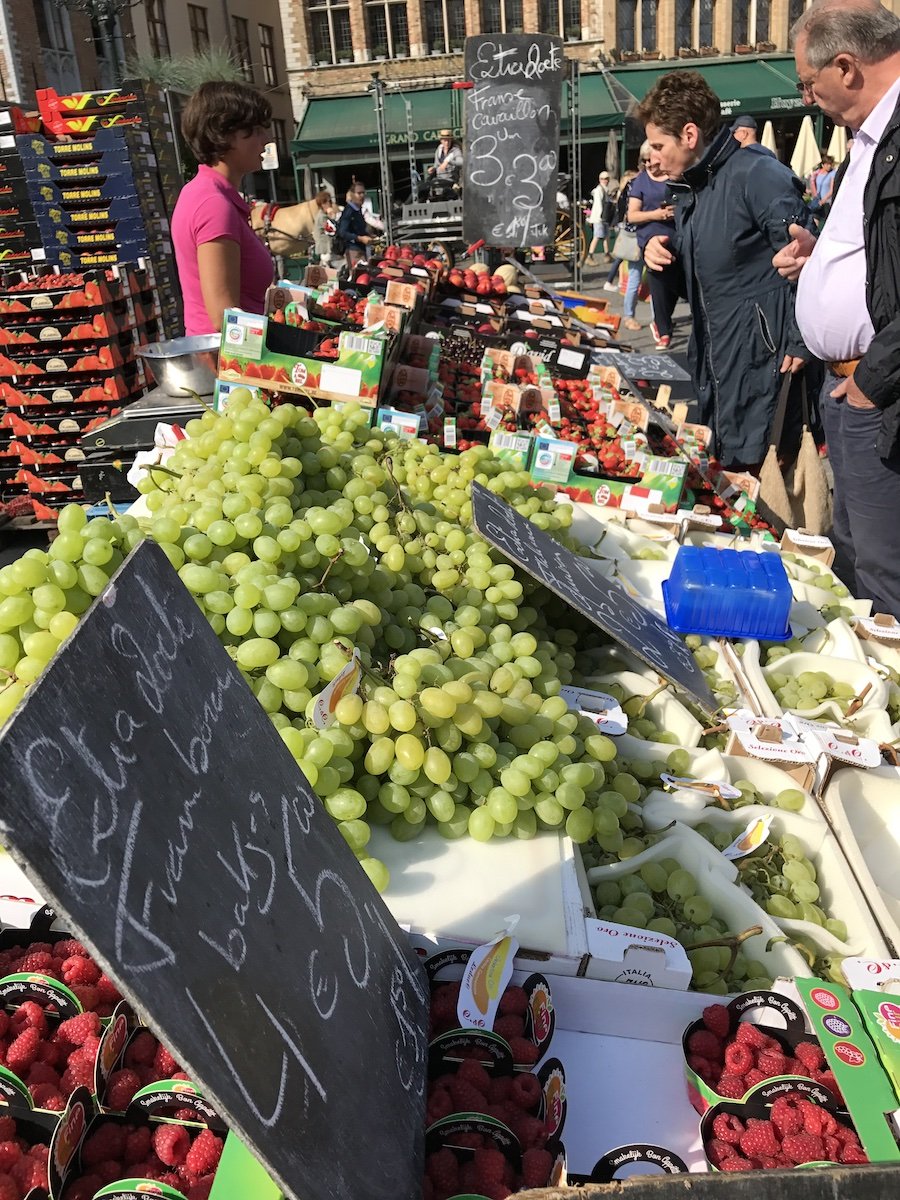
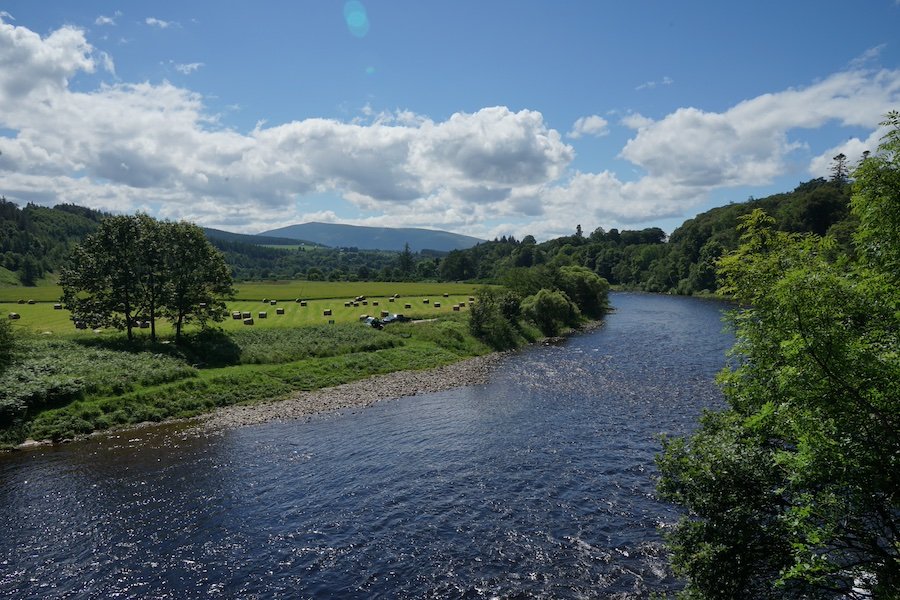


Travel budget example prepared with the Travel Budget Calculator
Case Study
Let me use our “retirement” trip as an example. By applying all the money-saving strategies and using the Travel Budget Calculator to sort our expenses, we discovered that we spent a total of $9000 for 10 weeks - an average of $900/week for two people. This is the breakdown of where our money went:
~10% transportation - trains, buses, and flights (Victoria - Barcelona, Sevilla - Porto, Lisbon - Bordeaux return, Lisbon - Victoria)
~32% accommodation - 5 nights using travel rewards, two 1-month stays with 40% discounts, and a “free” week away using Home Exchange.
~33% food - we spend a bit less than this normally at home with a combination of groceries and eating out! So using “traveller’s math” - does that even count!?!?😅
~ 19% activities - walking and food tours, entrance fees, 2 cooking classes, futbol tickets, a flamenco show - ALL the things we wanted to do!
~6% “other” - ESim cards (read more here), travel insurance, gifts, etc…
I share this not to say that these percentages are a target. Instead, I hope you see that YOU can customize and juggle travel expenses in these four categories to make sure that you can:
a) find a way to afford travel.
b) spend money on the things that most matter to you.
c) learn about your spending habits so you can plan better for future trips.
What NOT to Scrimp and Save on
There are a few things I don’t recommend skipping or compromising just to save money.
1. Travel medical insurance
This is a must! Don't assume good health is a given just because you're on holiday — you simply never know. My husband and I had one trip that sadly included an ambulance ride, 2 hospital visits, 26 stitches, a consult with a plastic surgeon, and pain medications. (And a new ballcap to hide the bandaged head!) Thank goodness for insurance!
I’d also recommend ensuring you have trip cancellation coverage. Read about my experience cancelling a trip.
2. The things that bring you the most joy
If you’ve been dreaming of taking a hot air balloon ride since you were a child, don’t sit on the sidelines and watch - go! If you are someone who is thrilled by history, hire a knowledgeable local guide! If you have been dying to improve your Spanish, take the language lessons! If your comfort level requires an organized tour, book it! It’s about balancing YOUR priorities!
3. Buy quality gear - especially footwear
Don't scrimp on your feet. Good walking shoes are not the place to cut corners, especially on a long-distance trip.
Your Travel Budget Plan in 4 Steps
Planning a trip that feels financially good doesn't require a spreadsheet obsession, just a little intention before you book anything.
Step 1: Know your traveller type. Are you optimizing for longer trips, luxury moments, or frequent getaways? Your answer shapes every spending decision that follows.
Step 2: Define your four pockets: transportation, accommodation, food, and activities. Decide which pocket matters most for this trip and allocate accordingly.

Step 3: Apply your savings strategies. Work through each category with the tips above. Remember that not all will apply, but the right ones will free up real money for what matters most to you.
Step 4: Use the calculator before you book. Gut-feel budgeting leads to either overspending or under-enjoying. My free Travel Budget Calculator takes the guesswork out. It’s simple and free - grab it inside the Travel Lab Resource Library.
FAQ’s
How do I plan a travel budget?
Start by identifying your traveller type and what matters most to you on this trip. Then divide your budget across four categories (transportation, accommodation, food, and activities), and apply savings strategies to the areas that matter least so you can spend more on what matters most.
How do I travel on a tight budget?
Travelling on a tight budget starts before you book a thing. Define your priorities, use a travel budget calculator to set realistic numbers, and identify which of the four spending categories you can trim without affecting the experiences that matter most to you.
How much money should I save before travelling?
This depends entirely on your destination, travel style, and length of trip. Rather than a fixed number, use a travel budget calculator to build a realistic estimate based on your specific plans. Grab one, free in the Travel Lab Library.
DIY Travel
Smart strategies and thoughtful planning can turn your travel dreams into affordable realities. Travelling doesn’t have to break the bank or leave you with regrets; it can be a fulfilling and enriching experience while staying within your budgetary limits.
Looking at your options with a do-it-yourself attitude plays a big part. Balance ease, convenience and DIY options with independent travel. Sure, a flight might be the fastest and easiest way to get to where you're going, but there might also be an overnight train for a fraction of the cost with a much more interesting ride. An organized tour might not be your only option to see a site - perhaps you can take public transportation, hire a local guide or use an audio guide, or simply figure it out on your own.
Understand your travel motivations and priorities to inform your travel budget planning. Whether it is stretching your funds for longer trips or indulging in specific experiences, aligning your spending with your values ensures a fulfilling travel experience.
Budget-conscious travel isn’t about being “cheap” but rather about making intentional choices that enhance your journey and create lasting memories without financial stress. And for me…it means being able to travel sooner and longer!

PIN IT for later
If this helped, there's more where it came from.
TRAVEL COACHING
Check out what travel coaching with me is all about, and let’s connect!